Lifestyle + Wellness
5 Morning Habits That Actually Work in 2026
April 12, 2026 • TrueWater Idaho
The 5 AM alarm crowd peaked around 2021. You know the routine: wake before sunrise, cold plunge, journal three pages, meditate, work out, meal prep, and somehow still be at your desk by 8. It sounded good in a podcast episode. In real life, most people kept it up for two weeks, burned out, and quietly set their alarms back to 7.
What replaced hustle culture’s morning stack is something quieter and, according to behavioral scientists, a lot more durable. The shift is toward slow mornings built on micro-habits: small actions backed by actual research rather than influencer aesthetics. If you live in Boise, Meridian, or anywhere in the Treasure Valley, this is what the evidence actually supports.
Why Hustle Culture’s Morning Routine Stopped Working
Aggressive morning routines were always more performative than practical. Stacking eight habits before 7 AM creates decision fatigue before the workday even starts. Your body has a natural wake cycle, and fighting it with cortisol spikes from cold exposure and alarm anxiety produces short-term alertness at the cost of long-term sustainability.
Research in sleep and chronobiology consistently shows that working with your circadian clock produces better cognitive performance, mood, and energy throughout the day. The trending framework right now is fewer habits, better habits, tied to natural biological timing.
The 5 Micro-Habits Science Actually Backs
Each one has a credible body of research behind it, and none require more than ten minutes individually.
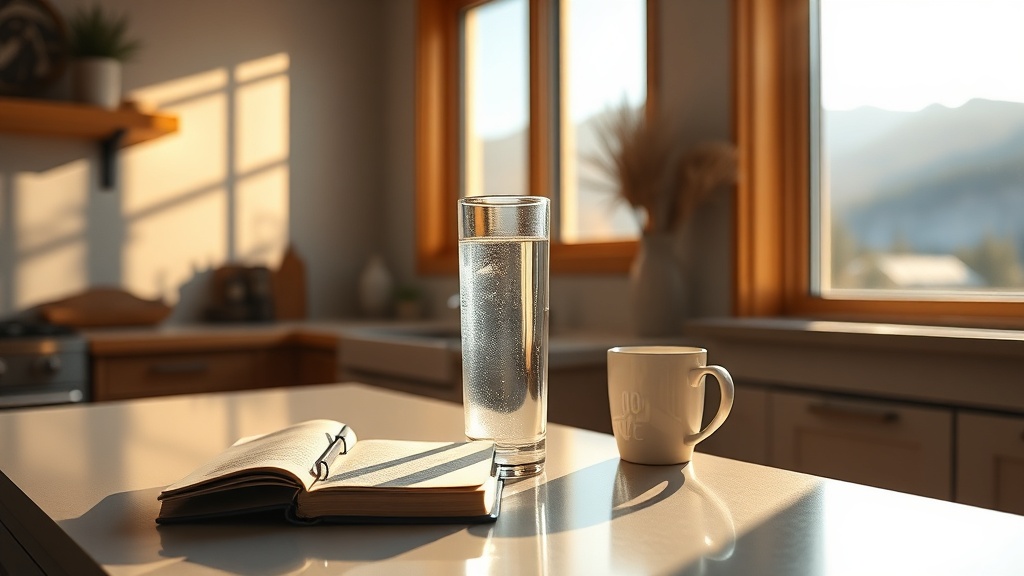
- Hydrate before caffeine. Your body loses water overnight through respiration and minor sweating, leaving you in mild deficit before you even get out of bed. Coffee is a mild diuretic; starting with water first counters that effect and supports early-morning focus without the mid-morning crash.
- Get 5 to 10 minutes of morning sunlight. Light is the primary signal your circadian clock uses to set itself. Morning light suppresses residual melatonin and advances your sleep-wake timing, so you feel more alert in the morning and sleep more easily at night. The Sleep Foundation recommends making this the first thing you do after waking.
- Write 3 priorities before opening your phone. The average person picks up their phone within four minutes of waking. Starting the day in reactive mode is directly correlated with higher daily anxiety and lower task completion rates. Three priorities, written by hand, take two minutes and anchor the day.
- Move for 10 minutes at low intensity. Not a workout. A walk, light stretching, or a short yoga flow. A study in Physiology and Behavior found that low-intensity morning movement reduces fatigue by up to 65% compared to staying sedentary. High-intensity exercise first thing can spike cortisol further in people who are already stressed.
- Eat within 2 hours of waking. For most people, delaying food until noon disrupts circadian nutrition patterns. Your metabolism is most efficient at processing carbohydrates and protein earlier in the day. A protein-forward breakfast within two hours of waking supports stable blood sugar and reduces the mid-afternoon energy dip.
The One Habit Nobody Gets Right
Hydration sits at the top of every morning habit list, including this one. But here is what almost nobody talks about: the quality of the water you are drinking matters as much as the quantity. If your water tastes off, you will subconsciously drink less of it without noticing.
In Boise, Meridian, and the broader Treasure Valley, tap water hardness typically ranges from 10 to 17 grains per gallon depending on your location and the season. That places most of the valley in the hard to very hard category. Hard water is not a health crisis, but it does carry a distinct taste: slightly flat, sometimes metallic, occasionally with a faint chlorine note from municipal treatment.
You can commit to drinking a full glass of water every morning and still be fighting your own water supply. The habit stalls not from lack of willpower but because the glass tastes worse than a flavored drink. That is a fixable problem.
What Boise and Meridian Water Actually Contains
Treasure Valley water comes from two main sources: snowmelt from the Sawtooth and Boise mountain ranges feeding surface reservoirs, and the Snake River Plain aquifer. Both pick up dissolved calcium and magnesium as they move through basalt and limestone geology. That is what produces hardness readings in the 12 to 17 gpg range common across Meridian and parts of Boise.
At those levels, you will notice scale buildup on faucets and showerheads, spots on glassware after the dishwasher runs, reduced soap lather in the shower, and the subtle flavor difference mentioned above. The USGS classifies water above 10.5 gpg as hard, and most Treasure Valley homes fall well into that range. A water test gives you exact hardness numbers for your address in about 20 minutes.
Frequently Asked Questions
Does the type of water you drink in the morning matter for productivity?
Yes. Even mild dehydration reduces cognitive performance and mood. Beyond quantity, water quality affects taste, which influences how much you actually drink. Hard water often has a metallic or flat taste that leads people to drink less without realizing it.
How do I know if my Boise or Meridian tap water is hard?
Common signs include white scale buildup around faucets, spots on dishes, dry skin after showering, and flat or slightly metallic-tasting water. Boise and Meridian tap water typically tests between 10 and 17 grains per gallon. A free in-home water test from TrueWater Idaho takes about 20 minutes and gives you exact numbers for your address.
Can a water softener make me want to drink more water?
Many TrueWater customers report drinking more water after switching to softened water because the taste improves. Removing excess minerals eliminates the flat or metallic flavor that makes some people reach for flavored drinks instead.
What is the best first thing to drink in the morning?
Plain water, before coffee or tea. Your body loses water overnight, so rehydrating first supports energy, digestion, and focus. If your tap water tastes off due to hardness or chlorine, filtered or softened water makes the habit easier to sustain.
How does hard water affect the taste of coffee and tea?
Hard water interferes with extraction. High mineral content can make coffee taste bitter or dull and prevents the full flavor of tea from developing. Specialty coffee shops in Boise use filtered water for this exact reason.
You Have the Routine. Now Check Your Foundation.
If hydration is your number one morning habit and your water tastes like your faucet, you are working harder than you need to. A free in-home water quality test takes 20 minutes. No obligation. We test your water, show you the numbers, and let you decide what to do with them.
Serving Boise, Meridian, Eagle, Nampa, and the Treasure Valley