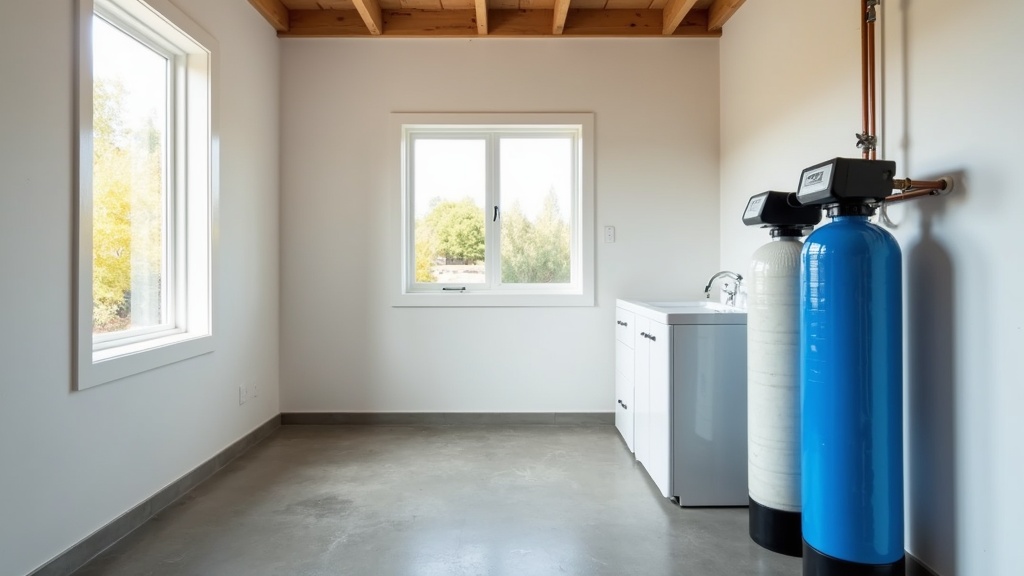
If you have a water softener in your Boise or Meridian home, you already know the difference soft water makes. But here is the part most homeowners miss: a water softener only delivers those results if you maintain it. Neglect it, and it quietly stops working, often before you notice.
With Veolia Water Idaho's 12.4% rate increase and the 2026 irrigation season opening early due to low snowpack, water costs are heading up. A poorly maintained softener burns through salt inefficiently and triggers unnecessary regeneration cycles. Here is exactly what you need to do, broken out by task and frequency, with Treasure Valley specifics that most generic guides skip.
Why Maintenance Matters More in the Treasure Valley
Boise city water runs 10 to 15 grains per gallon (gpg) of hardness. Meridian and parts of North Nampa hit 12 to 17 gpg. The national average is around 7 to 8 gpg, meaning your softener is working roughly twice as hard as a unit installed in Portland or Seattle.
More hardness means more frequent regeneration cycles, more wear on the resin bed, more salt consumed, and more water used. A softener in Meridian will degrade faster than the same unit somewhere with softer water, which is why standard maintenance schedules you find online underestimate what Treasure Valley homeowners actually need.
Monthly Tasks: Checking Salt Levels and Spotting Problems Early
Once a month, open the brine tank lid and check the salt level. Keep it between half full and three-quarters full. Below half risks under-regeneration; above three-quarters increases the chance of a salt bridge forming at the top.
Use evaporated salt pellets, not rock salt. Rock salt is cheaper but contains impurities that accumulate as sludge. In a high-hardness environment where your system regenerates more often, that sludge builds up faster.
Salt bridges form when a hard crust develops across the top of the salt, leaving an empty space below. The system thinks it has salt, but brine cannot form properly. Push a broom handle into the salt to check. If it breaks through with a hollow sound, you have a bridge. Break it up and the system should recover.
Salt mushing is different: a thick sludge at the bottom caused by low-quality salt dissolving and recrystallizing. Mushing requires draining and cleaning the entire brine tank. While the lid is open, also check for standing water several inches above the salt line, which can signal a drain issue or malfunctioning brine valve.
Every 3 to 6 Months: Cleaning the Brine Tank
How often you clean the brine tank depends on your location. Meridian and Nampa with higher hardness levels: every 3 to 4 months. Boise proper on city water at the lower end of the 10 to 15 gpg range: every 6 months. Canyon County well water carries elevated iron and sediment, so bump that frequency up regardless.
The process: put the softener in bypass mode, remove remaining salt, scoop out sludge, and scrub the interior walls with dish soap and water. Rinse thoroughly. If there is odor or visible bacterial growth, use a diluted bleach solution (one tablespoon per gallon), rinse again until the smell is gone, then refill with fresh salt and bring the system back online. Do not dump old brine on your lawn. Sodium kills grass. Drain to a utility sink, floor drain, or sewer cleanout.
Signs your brine tank needs cleaning ahead of schedule: soft water quality declining (spots returning on dishes, soap not lathering), unusual odor from the tank, or visible sediment around the salt.
Annual Maintenance: Resin Cleaning and System Inspection
The resin bed is the heart of your softener, a tank full of small polymer beads that attract calcium and magnesium ions and pull them out of your water. During regeneration, a brine solution washes the captured minerals off the beads and flushes them down the drain.
Chlorine damages resin. Boise and Meridian are on chlorinated municipal water, and over time chlorine oxidizes the DVB crosslinks that give resin beads their structure. This breaks the beads down and reduces softening capacity. For Treasure Valley homeowners on Veolia water, plan on a realistic resin lifespan of 8 to 12 years rather than the 15 years cited in national guides. Iron fouling is the other major resin killer, especially for Canyon County and rural homes on well water.
Annual resin cleaning is straightforward. Add a dedicated resin cleaner directly to the brine tank before a regeneration cycle. It strips accumulated iron, manganese, and organics off the beads. For well water with high iron, do this every 3 to 6 months instead of annually.
Beyond the resin, your annual inspection should cover:
- O-rings and seals on the control valve (look for moisture or mineral buildup around fittings)
- The drain line (check for kinks, clogs, or slow drainage during regeneration)
- Hardness settings on the control valve (should match your actual local water hardness, not a factory default)
- A post-softener hardness test (a simple test strip should read under 1 gpg; if you are seeing 3 gpg or above after cleaning, the resin may need replacing)
- The control valve timer and regeneration frequency (recalibrate seasonally if your water usage changes significantly)
If your softener output stays above 3 gpg after a resin cleaning, replacement is likely more cost-effective than continued maintenance. A new resin tank runs $200 to $400 in parts; a full system replacement runs $2,500 to $4,500 installed.
Seasonal Considerations for Idaho Homeowners
Idaho winters present a risk homeowners in warmer climates skip. If your softener is in an uninsulated garage, ice can form in the brine tank or supply lines, stopping regeneration entirely. Before temperatures drop each fall, wrap exposed lines with pipe insulation and set a thermostat-controlled space heater to 40 degrees in garages that get very cold.
After winter, verify your control valve settings. Power outages during storms can reset timers on older valves. Summer increases demand significantly: irrigation, extra showers, and more laundry all run through softened water. Check salt levels every 2 to 3 weeks instead of monthly from May through September.
Hardness levels can also shift slightly by season as municipalities adjust their water sources. The Idaho Department of Environmental Quality publishes water quality data that can help you track how your local supply changes over time.
Common Mistakes Boise Homeowners Make
- Using rock salt. It is cheaper, but the impurities create sludge in the brine tank. In a high-use Treasure Valley system, you will be cleaning the tank far more often than if you had used pellets.
- Overfilling the salt tank. Keep it at three-quarters full or less. Overfilling compresses the salt and encourages bridging.
- Ignoring the bypass valve. Know where it is and how to use it. When something goes wrong, you need to be able to isolate the softener without cutting off water to your house.
- Leaving factory default settings. Most softeners ship with a generic hardness setting. If it was not adjusted at installation for Boise or Meridian hardness levels, it is almost certainly not regenerating at the right frequency.
- Skipping annual resin maintenance. In a high-hardness, chlorinated water environment, resin fouling is not hypothetical. It happens, and it is preventable.
- Waiting for the system to fail. A service call and cleaning run around $150. Resin replacement is $300 to $600 in parts plus labor. A full system replacement is $2,500 or more. The math on preventive maintenance is straightforward.
Frequently Asked Questions About Water Softener Maintenance
In Meridian, where water hardness runs 12 to 17 gpg, most households need to add salt every 4 to 6 weeks. High-usage homes with multiple occupants may need to check every 3 weeks during summer months. Check the level monthly at minimum, and add pellet-style salt when the tank drops below the halfway mark.
A salt bridge is a hardened crust that forms at the top of the brine tank, leaving an air gap underneath. You can break it up with a broom handle. Salt mushing is a thick, wet sludge at the bottom of the tank caused by low-quality salt dissolving and recrystallizing. Mushing requires draining and cleaning the entire tank. Both conditions prevent the system from producing brine, resulting in unconditioned water passing through your home.
Yes. Chlorine oxidizes the divinylbenzene (DVB) crosslinks in softener resin beads, causing them to break down over time. Boise and Meridian municipal water is chlorinated, which is why we recommend annual resin cleaning with a chlorine-rated cleaner and suggest planning for a realistic resin lifespan of 8 to 12 years. A whole-house carbon pre-filter can reduce chlorine exposure to the resin and extend its life.
Yes. Boise and Meridian winters regularly see temperatures below freezing, and an uninsulated garage can expose your brine tank and supply lines to those temperatures. A frozen brine line prevents regeneration entirely. Before cold weather arrives each fall, insulate any exposed pipes and lines with foam pipe wrap. If your garage gets very cold, a small thermostat-controlled space heater set to 40 degrees is an inexpensive safeguard.
Test the water coming out of your softener with a simple hardness test strip after a regeneration cycle. If the reading stays at or above 3 grains per gallon even after a thorough resin cleaning, the beads have likely degraded past the point of recovery. Other signs include small dark beads appearing in your water, dramatically increased salt consumption with no improvement in softening, and a system older than 10 to 12 years that has never had resin maintenance.
Get a TrueWater Maintenance Check
Not sure when your system was last serviced, or whether your settings are calibrated for Treasure Valley water hardness? We offer a free water hardness test and a no-obligation system check. We serve Boise, Meridian, Nampa, Eagle, Star, Caldwell, and Kuna.
A $150 inspection today is a straightforward way to avoid a $600 resin replacement or a $1,200-plus system failure down the road. With water rates climbing and the irrigation season already underway, now is a good time to make sure your softener is ready for the months ahead.