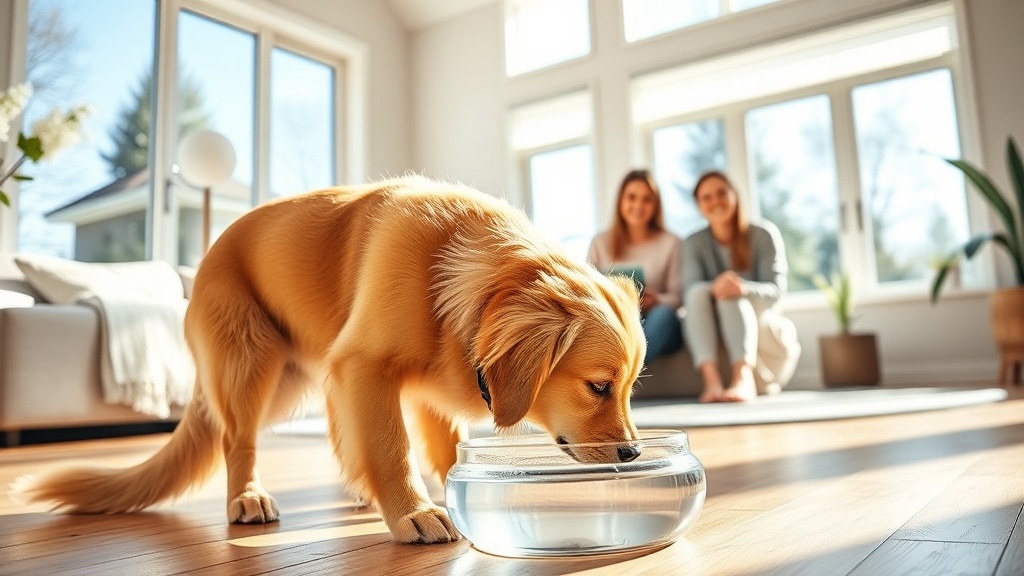
Pet ownership in the Treasure Valley has climbed steadily alongside the region's population growth. Boise and Meridian neighborhoods are among the most dog-friendly in the Northwest, with a strong culture of outdoor activity that naturally includes four-legged companions. Trails at Table Rock, Lucky Peak, and the Boise Foothills see hundreds of dog-owner pairs every weekend. Veterinary clinics across Ada County report that pet wellness check-up volumes have increased sharply as new residents bring pets with them and local families add animals to their households.
With that growth in pet ownership has come more attentive pet care. Boise-area dog owners are paying more attention to nutrition, activity levels, and general wellness than previous generations. One question that comes up regularly in both veterinary clinics and online pet communities in Boise is a straightforward one: why is my dog drinking so much water? The answer is more nuanced than most owners expect, and it often circles back to water quality.
What Counts as Normal Dog Water Intake
Veterinarians use a general guideline of one ounce of water per pound of body weight per day for dogs under normal conditions. A 50-pound dog, for example, should drink roughly 50 ounces, or about 6 cups, daily. Activity level, diet type (dry kibble versus wet food), temperature, and health status all influence actual intake. A dog on a long summer hike in the Boise foothills will drink considerably more than one spending the day inside a climate-controlled home.
Polydipsia, the clinical term for excessive water drinking, is a recognized symptom of several conditions including diabetes, kidney disease, Cushing's disease, and urinary tract infections. If your dog is drinking significantly more than baseline and you have ruled out heat and activity as explanations, a veterinary visit is the right first step. Boise veterinary clinics consistently rank water intake as one of the key behavioral indicators they watch for during wellness exams.
What is less commonly discussed, but increasingly recognized by integrative and functional veterinarians, is the role water quality plays in drinking behavior and overall hydration. This is not a fringe idea. It is rooted in the same water chemistry science that affects human health and well-being.
How Treasure Valley Water Quality Affects Your Dog
Boise and Meridian tap water carries dissolved minerals at levels the USGS classifies as hard to very hard. For most dogs, drinking water with elevated calcium and magnesium is not a direct health risk. But there are several indirect effects worth understanding.
First, taste. Dogs have fewer taste receptors than humans, but they are meaningfully sensitive to the taste and smell of their water. Hard water with high mineral content has a distinct taste. Some dogs drink less than they should when their water has a mineral or chlorine character they find off-putting. Others may appear to drink excessively as a kind of compensatory behavior, seeking a palatability threshold they are not quite reaching. Neither extreme supports optimal hydration.
Second, struvite crystals. Hard water contributes to urinary mineral load in dogs, and there is documented correlation between high-mineral water consumption and the formation of struvite urinary crystals in susceptible breeds. Breeds with known urinary tract sensitivities benefit from lower-mineral water. Veterinary guidance from the AVMA and breed-specific health organizations increasingly includes water quality as a factor in urinary health management.
Third, coat and skin health. The same minerals that leave scale on faucets and showerheads affect dogs' coats when they drink and bathe in hard water. Some Boise and Meridian pet owners report improved coat condition and reduced dry skin in their dogs after switching to filtered or softened water. This is not universal, but it is consistent enough to be worth noting.
What Boise-Area Vets Actually Recommend
Veterinarians in Boise and Meridian are generally practical about water quality recommendations. The consensus is that municipal tap water is safe for dogs and meets health standards. The question is not safety; it is optimization. For dogs with existing urinary issues, kidney concerns, or breeds prone to crystal formation, filtered water is frequently recommended as a simple, low-cost management tool.
For the average healthy dog, the recommendation is consistent water access above all else. If your dog is drinking normal amounts and shows no signs of excessive thirst, the water is working. If you are noticing behavioral changes around water, excessive intake, avoidance of the bowl, or recurrent urinary issues, water quality is worth investigating alongside a full veterinary workup.
What the TrueWater team has seen in Treasure Valley households is a clear pattern: pet owners who have invested in whole-house water treatment for their own health and comfort notice improved behavior around the water bowl in their dogs. The improvement is reported anecdotally but consistently enough that it has become a selling point our customers bring up themselves rather than one we have to explain.
Practical Steps for Boise Pet Owners
You do not need to overhaul your entire water system to give your dog better water. The options scale from simple to comprehensive:
- A filtered water pitcher or countertop filter provides lower-mineral, lower-chlorine water for your pet's bowl at minimal cost
- An under-sink carbon filter at the kitchen tap gives your dog (and your family) consistently filtered water without the ongoing cost of pitcher refills
- A whole-house water softener addresses all water entering your home, benefiting your pets, your family, your appliances, and your plumbing simultaneously
The first step is understanding what is in your water. A free water test from TrueWater Idaho measures the hardness, TDS, pH, and chlorine levels at your specific Boise or Meridian address. That data tells you whether your current water is a likely contributing factor to anything you are observing in your pet, and it gives you a baseline for any treatment decision you make.
The Bottom Line for Dog Owners in the Treasure Valley
Excessive water drinking in dogs has multiple potential causes, and a veterinary exam is always the right first step if you are concerned. What the combination of veterinary science and water chemistry tells us is that water quality is one of the environmental factors worth investigating alongside the clinical ones. In a region where tap water consistently tests on the high end of the hardness scale, it is a factor that many Boise and Meridian pet owners have never considered simply because nobody told them it mattered.
It does. Not in a dramatic, urgent way, but in the same quiet, cumulative way that water quality affects everything it touches. Your dog drinks multiple times a day, every day. The quality of what is in the bowl adds up over time, just like everything else in pet wellness.
Frequently Asked Questions
Get Your Free Water Test
TrueWater Idaho tests your water for free, no strings attached. We serve Boise, Meridian, Eagle, Nampa, and the entire Treasure Valley.