It's 3:45 PM. Your kid walks through the door, drops the backpack on the floor, and heads straight for the pantry or the couch. Six hours of school, a 20-minute lunch break, and maybe one trip to the drinking fountain if they remembered. The after-school window is one of the most important hydration moments of the day, and most kids in Boise completely miss it. Here's how to fix that, and why the water you're handing them matters more than you might think.
Kids Come Home More Dehydrated Than You Think
School is a tough environment for staying hydrated. Schedules are packed, lunch windows are short, and kids often avoid the bathroom because it eats into recess or free time. Most kids simply forget to drink. By the time they walk through your front door, they've been running on near-empty for hours.
The signs show up fast. That crankiness after school? The glazed look during homework? The headache your kid mentions before dinner? These are classic signs of mild dehydration, and parents often mistake them for tiredness or attitude.
School-age kids weighing 40 pounds or more need at least 50 ounces of water per day. Active kids, or kids in Idaho's dry climate, need even more. Most fall well short of that, especially in the hours between breakfast and dinner when school is in session.
Before you assume your kid is being difficult or distracted, consider this: your kid might just be dry. A hydration reset the moment they get home can change the entire tone of your afternoon.
The After-School Window Is Your Secret Weapon
The 30 minutes after your kid gets home is one of the easiest places to build a habit that actually sticks. It's a natural transition point. The school day is done, the backpack is down, and their body is ready for a reset.
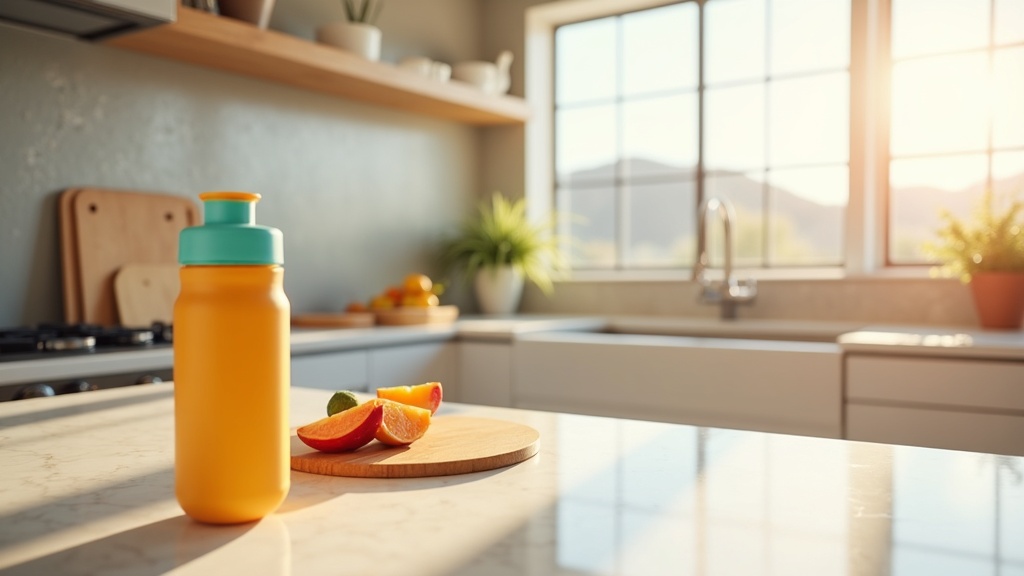
The simplest trick: put a full water bottle on the counter before they get home. Make it visible. Make it easy. Before screens, before snacks, water first. It takes about two weeks for this to become automatic, and once it does, you'll notice the difference in their mood and focus.
Let your kid pick their own bottle. Kids are more likely to use something they feel ownership over. You can also add a few slices of lemon, cucumber, or berries if plain water isn't their thing. No judgment here.
This matters even more heading into May and June. Treasure Valley summers come on fast, and outdoor activities ramp up quickly. Idaho's high desert climate is drier than most of the country, which means kids are losing fluids faster than they realize, especially if they're biking, playing outside, or doing any kind of sport after school. Getting ahead of that now, before the heat hits, is the move.
But Wait: What's Actually in Your Home Water?
Once you commit to making after-school hydration a priority, your brain naturally goes to the next question: is the water I'm giving them actually good?
It's a fair thing to wonder. A recent survey found that 77% of parents are concerned about drinking water quality at their child's school, and a federal deadline in June 2026 requires schools to test for lead in drinking water. That's a national conversation worth paying attention to.
For most Treasure Valley homes, lead pipes aren't the primary concern. The bigger issue here is water hardness. Boise tap water typically runs between 10 and 15 grains per gallon (gpg). Meridian is often higher, around 12 to 17 gpg. That's classified as very hard water by EPA standards.
Hard water isn't dangerous. But it does have a distinct mineral taste from the calcium and magnesium it carries. Adults often get used to it. Kids are more sensitive to flavor, and if the water tastes off to them, they simply won't drink it. That's not a character flaw. It's just how taste works.
You can learn more about what's in Treasure Valley water and how it affects kids in this breakdown from TrueWater Idaho. Worth reading if you've ever had questions about what's coming out of your tap.
Signs Your Kid Might Not Like Your Tap Water
Sometimes the problem isn't the habit. It's the water itself. Watch for these patterns:
- Your kid reaches for juice, soda, or flavored drinks instead of water, even when water is available
- They say water tastes "weird" or "gross" without being able to explain why
- They drink water happily at grandma's house, a friend's place, or a restaurant, but resist it at home
- They tolerate filtered or bottled water but leave tap water sitting untouched
Hard water has a noticeable mineral flavor, and children pick up on it more readily than adults. If this sounds familiar, the issue might not be your kid's attitude toward water. It might be what's in the water.
Simple Ways to Make Home Water More Kid-Friendly
Good news: you have options at every budget level.
Free fixes: Chill the water in the fridge before serving. Cold water is harder to taste the mineral content in. Add fruit slices or a small splash of citrus. Both help mask mineral taste and make water more appealing.
Pitcher filters: A basic activated carbon filter pitcher (like a Brita) reduces some mineral taste. It won't address hardness fully, but it can improve flavor for around $30.
Whole-home water softener: This is the complete solution for Treasure Valley hardness. A water softener removes the calcium and magnesium that cause hard water taste. The difference is noticeable immediately. Kids who resisted tap water often drink it without complaint after softening. If you're also concerned about other contaminants, a reverse osmosis system at the kitchen tap is an add-on worth considering.
TrueWater Idaho handles water softener installation across the Boise and Meridian area. If you're not sure what's in your water, the easiest starting point is a free water test. No commitment, just information. You can also read about how hard water affects sensitive skin, which many Treasure Valley families deal with alongside taste issues.
To schedule a free test, call (208) 968-2771.
Building the Habit That Sticks
Hydration isn't complicated. It just needs a cue and a routine. Backpack goes down, water bottle goes up. That's the whole system.
Kids thrive on predictable structure. When after-school hydration becomes part of the routine, it stops being a battle. Focus improves. Moods stabilize. Bedtime gets easier because their bodies are actually regulated.
Start this week, before the Treasure Valley heat kicks into full gear. It takes less than five minutes to put a water bottle on the counter and establish the expectation. That small change, compounded over a school year, adds up to a genuinely healthier kid.
And if you want to make sure the water in that bottle is actually something your family wants to drink, TrueWater Idaho is a phone call away.
Get a Free Water Test for Your Boise or Meridian Home
Not sure what's in your tap water? TrueWater Idaho offers free water tests for Treasure Valley homeowners. No pressure, just answers.
Frequently Asked Questions
Most school-age kids need at least 50 ounces of water per day, more if they're active or spending time outside in Idaho's dry climate. The after-school window is one of the best catch-up opportunities of the day since most kids underdrink during school hours.
Treasure Valley tap water is very hard, typically ranging from 10 to 17 grains per gallon depending on your city. That hardness comes from calcium and magnesium minerals, which give water a noticeable taste. Children tend to be more sensitive to mineral flavors than adults, so what seems normal to you might genuinely taste off to your kid.
Yes, hard water is safe. The minerals that cause hardness are not harmful at the levels found in Boise and Meridian water. The concern is practical: if the water tastes bad to your child, they won't drink enough of it. Taste matters when you're trying to build a hydration habit.
Lead in drinking water is mainly a concern in older homes built before 1980 that may have lead service lines or lead solder in plumbing. If your home is newer, your risk is lower. If you're unsure, a water test is the straightforward way to get a clear answer specific to your home.
A free water test from TrueWater Idaho is the simplest first step. They test for hardness and other factors specific to your tap, and you walk away with real data instead of guesswork. Call (208) 968-2771 to set one up.