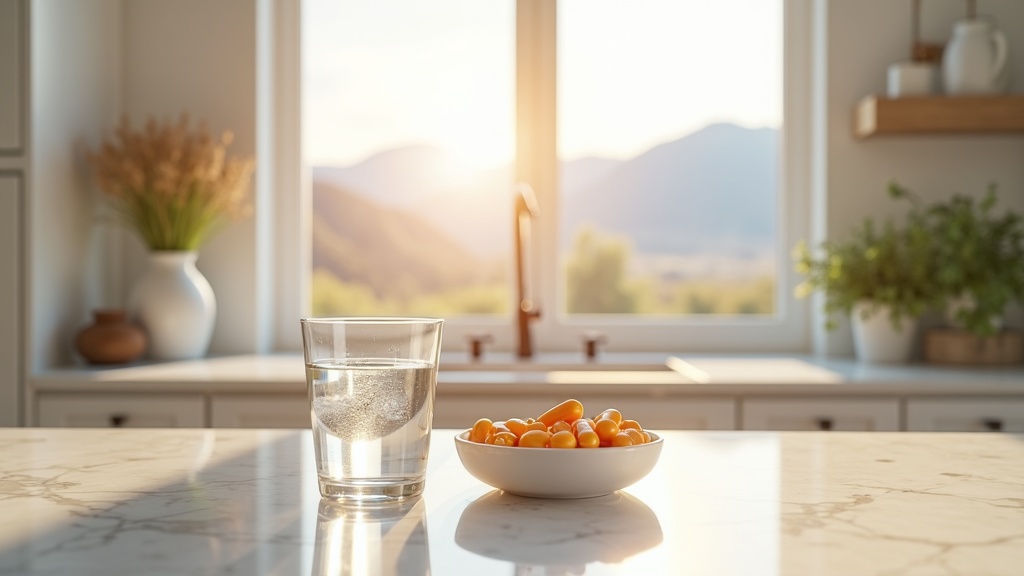
Biohacking has a branding problem. The word conjures images of $400 red light panels, wearable glucose monitors, and cold plunges at 5 AM. The wellness content machine has convinced people that optimization is expensive. No dedicated supplement stack and sleep tracker on your wrist? You are not doing the work.
That narrative is cracking. A growing number of performance-focused people argue that the highest-ROI changes are free or nearly free. They are zeroing in on foundational inputs first: morning sunlight, consistent sleep timing, nose breathing, and what goes into their body before layering on any gadget. It is producing better results than gear-first approaches ever did.
What Budget Biohacking Actually Means in 2026
Your body runs on inputs. Light, air, sleep, food, and water are the raw materials. No supplement or device compensates for consistently poor raw materials. Budget biohacking means optimizing those inputs first, before spending money on anything else.
Four you can start today without spending a dollar:
- Morning light exposure. Get outside within 30 minutes of waking. Five to ten minutes of natural light sets your circadian rhythm and cortisol curve for the day. No UV required, just ambient daylight.
- Consistent sleep and wake times. Your body's hormonal cascade is time-anchored. Irregular schedules disrupt testosterone, cortisol, growth hormone, and melatonin timing simultaneously. A fixed schedule costs nothing.
- Nose breathing during rest and low-intensity exercise. Nasal breathing increases nitric oxide production and filters air more effectively. Simply taping your mouth shut at night (mouth tape is a few dollars) is one of the most reported sleep quality upgrades in the budget biohacking community.
- Cold exposure via a cold finish to your existing shower. Thirty to sixty seconds of cold water at the end of your shower activates brown adipose tissue and increases norepinephrine. No cold plunge tub required.
The Biohacker's Stack, Ranked by ROI
Here is the hierarchy most experienced practitioners land on after a few years of trial and error:
- Free tier (highest ROI): Sleep timing, morning light, fasting windows, breathwork, cold showers, movement throughout the day.
- Low-cost tier (strong ROI): Magnesium glycinate, creatine, vitamin D3 with K2, quality water filtration. Under $50 per month, each addresses documented deficiencies in the general population.
- Mid-tier (moderate ROI): Glucose monitors, sleep trackers, red light panels. Useful once the foundation is solid.
- High-cost tier (marginal ROI for most): Hyperbaric chambers, IV drips, ozone therapy. You will not feel the difference if your sleep is inconsistent and your inputs are still dirty.
Notice where water filtration sits: low-cost tier, alongside creatine, and foundational in a way most gadgets are not. You are using water all day, not just during a 20-minute device session.
The Input Most Optimizers Skip Entirely
Here is a question worth sitting with: what did you mix your creatine with this morning? If you are in Boise, Meridian, or anywhere in the Treasure Valley and you answered "tap water," you may be unknowingly adding friction to the very inputs you are trying to optimize.
Treasure Valley municipal water is drawn primarily from the Snake River Plain aquifer and the Boise River system. It is treated and safe to drink by EPA standards. But "safe" and "optimal" are different targets. The water here is consistently rated as hard to very hard, meaning high concentrations of calcium and magnesium carbonate. Mineral readings in the area commonly run between 150 and 300 parts per million, and some neighborhoods test even higher. Beyond hardness, the disinfection process introduces chloroform and trihalomethane byproducts that are within legal limits but not zero.
If you are tracking your HRV and sleep score while mixing supplements in water loaded with dissolved minerals and disinfection residue, you have left an obvious variable uncontrolled. That is optimization theater, not biohacking.
You can learn more about what is actually in Treasure Valley tap water in our breakdown of hard water in Boise and what it means for your home. The numbers are specific to this region and worth knowing.
What Clean Water Actually Does for Your Body
The benefits of filtered, softened water are not dramatic overnight changes. They are the kind of steady improvements that accumulate and that you only fully notice once you have been consistent for a few weeks.
- Skin and hair. Hard water deposits calcium on skin, disrupting the moisture barrier and making soap harder to rinse. Soft water rinses completely. Most people notice the difference within two to three weeks.
- Gut function. Filtered water with reduced chlorine byproducts supports beneficial bacteria. Especially relevant if you are spending money on probiotics or fermented foods.
- Sleep and recovery. If your body is processing mineral load and chemical residue alongside its overnight repair work, that is competing energy. Clean water removes one unnecessary stressor from recovery.
- Cognitive clarity. Even mild dehydration measurably impairs attention and working memory. Better-tasting water means you drink more of it. Simple, but it compounds.
If you want a comparison of filtration options and what each one actually removes, our guide to reverse osmosis versus water softeners in Meridian breaks down the tradeoffs without the sales pressure.
Frequently Asked Questions
It is genuinely foundational. Water is involved in nearly every metabolic process: nutrient absorption, hormone transport, cellular detox, temperature regulation. When your water contains excess minerals, chlorine byproducts, or contaminants, your body spends resources managing those inputs instead of performing. That is not marketing. That is basic physiology.
Treasure Valley tap water typically measures between 150 and 300 parts per million of dissolved minerals, which places it in the hard to very hard range. By comparison, the soft water threshold is around 60 ppm. Idaho's water also picks up agricultural runoff and disinfection byproducts like chloroform and trihalomethanes as it travels through municipal treatment and aging pipes.
Start with a free water test to know what you are actually dealing with. From there, a whole-house softener addresses hard water at every tap and appliance. If drinking water purity is the priority, a reverse osmosis system under the kitchen sink is highly effective and typically pays for itself in a couple of years compared to buying bottled water.
Yes, and this is one of the most noticeable early wins people report after switching. Hard water leaves mineral deposits on skin that disrupt the moisture barrier, and it forces you to use significantly more shampoo and soap just to lather. Soft, filtered water rinses clean. Most people see a difference in skin softness and hair texture within a few weeks.
Your Next Biohack Costs Nothing to Start
We test Treasure Valley water for free. No sales pressure, no obligation. You get a full report on what is actually in your water, and you can decide what, if anything, to do about it. Call us or schedule online.