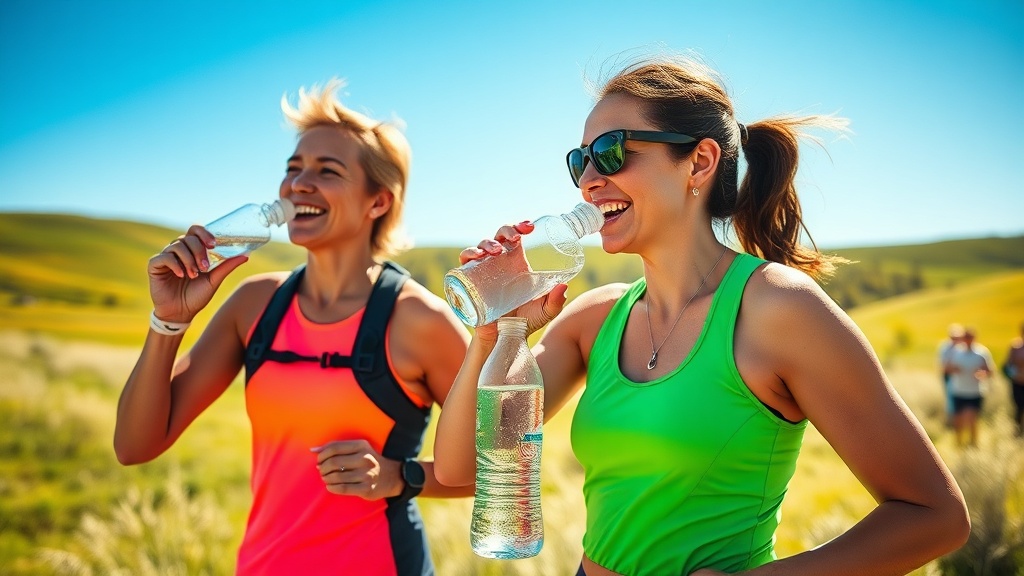
Boise has quietly become one of the best trail running cities in the country. The Boise Foothills trail system offers more than 190 miles of singletrack within minutes of downtown. Table Rock delivers 1,000-foot elevation gain with panoramic views that require almost no driving to reach. The Hulls Gulch Reserve, Camel's Back, and the Ridge to Rivers network give runners of every ability level a legitimate mountain running experience within city limits. Race calendars in the Treasure Valley are packed from March through November.
Boise's trail running community is serious about performance. Runners here track mileage, study elevation profiles, invest in quality footwear, and think carefully about training periodization. The conversation around race nutrition and hydration has become increasingly sophisticated, with athletes using electrolyte supplements, sodium loading protocols, and precision hydration strategies borrowed from elite ultramarathon culture. And yet, almost nobody in this community thinks about the water coming out of their kitchen tap, which is where most of their daily hydration actually happens.
Why Hydration Starts at Home, Not on the Trail
The water you drink on a run represents a fraction of your total daily fluid intake. Pre-run and post-run hydration, the water you drink with meals, the water you use to mix protein shakes and electrolyte drinks, the water in your cooking; all of it comes from your home supply. For most Boise athletes, that means Treasure Valley municipal water.
Hydration science is clear that chronic mild dehydration, even at levels of one to two percent body weight, meaningfully impairs endurance performance, reaction time, and recovery. The CDC's drinking water and nutrition guidance confirms that adequate daily hydration is foundational to physical performance. What receives less attention is the quality of water consumed throughout the day and how that quality affects palatability, which in turn affects how much water athletes actually consume.
Hard water tastes different from soft or filtered water. The elevated calcium and magnesium content of Treasure Valley tap water, which typically tests at 10 to 17 grains per gallon, produces a mineral-forward taste that some athletes find off-putting enough to reach for flavored sports drinks instead of plain water. That substitution comes with added sugar and sodium at times when neither is optimal, and it creates a low-level caloric surplus many training athletes never account for because they think of it as hydration rather than nutrition.
What Hard Water Does to Your Recovery
Post-run recovery is where water quality has its most direct performance impact. Muscle recovery depends on protein synthesis, inflammatory response management, and glycogen replenishment. All three processes require adequate hydration. If your post-run water tastes flat or slightly off because of mineral content, you are less likely to drink the volume your body actually needs.
There is also a secondary effect on the supplements and recovery drinks many Boise athletes use. Protein powders, creatine, and electrolyte mixes all dissolve and absorb differently depending on the mineral content of the water they are mixed with. High-calcium water can interfere with creatine absorption and affect the flavor profile of protein shakes in ways that make them harder to consume consistently. None of this is dramatic in isolation. Over months of training, the cumulative effect is real.
Scale buildup in water bottles, hydration reservoirs, and kettles used by athletes is a visible indicator of the mineral content they are ingesting daily. If your Nalgene or Hydro Flask develops white deposits in the bottom, that is the same mineralization that is going into your body with every sip. It is not harmful, but it is also not doing you any favors.
The Boise Foothills Factor: Altitude, Sweat Rate, and Water Quality
Training at elevation amplifies hydration demands. Many Boise trail runs gain 1,500 to 3,000 feet of elevation, pushing athletes into conditions where sweat rate increases, respiratory water loss climbs, and mineral depletion from sweat becomes meaningful. The standard advice is to increase both fluid and electrolyte intake before and during such efforts.
What that advice assumes is that baseline hydration before the run is already optimal. If you have been drinking suboptimal water throughout the day because mineral taste is creating subtle avoidance behavior, you start the run behind the curve. Starting a significant Foothills effort in a mildly dehydrated state compresses your performance ceiling before you take the first step on trail.
The USGS documents the mineral composition of western U.S. water systems, and Idaho's Snake River Plain aquifer is one of the harder water sources in the region. Athletes who train in Boise and have spent time training elsewhere often report that hydration feels more effortless in locations with naturally softer water. The observation is intuitive once you understand the chemistry.
Simple Changes That Support Athletic Hydration
You do not need to overengineer your water supply to improve athletic hydration. The changes that matter most are also the most straightforward:
- A high-quality carbon block filter at your kitchen tap removes chlorine and reduces mineral taste, making plain water more palatable and easier to drink in volume
- An under-sink reverse osmosis system produces near-zero mineral water that mixes cleanly with supplements and eliminates taste-based avoidance behavior
- A whole-house water softener treats all the water in your home and produces benefits that extend beyond athletic performance to skin, hair, appliances, and overall home comfort
The TrueWater team works with athletes and active families across Boise and Meridian who have made this connection. The feedback is consistent: when water tastes better, people drink more of it without trying to. That behavioral change, drinking closer to true daily hydration targets through better palatability alone, is one of the simplest performance upgrades available to any endurance athlete.
A free water test from TrueWater Idaho is the right starting point. Knowing your actual water chemistry gives you a baseline and helps you choose the right treatment approach for your home and your training goals.
Frequently Asked Questions
Get Your Free Water Test
TrueWater Idaho tests your water for free, no strings attached. We serve Boise, Meridian, Eagle, Nampa, and the entire Treasure Valley.