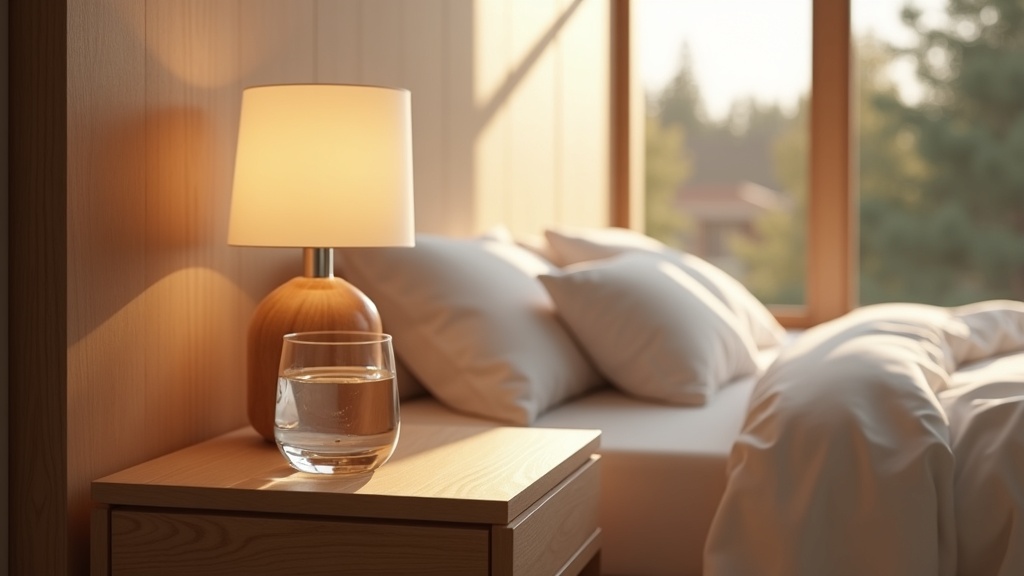
The Sleepmaxxing Craze Has Hit the Treasure Valley
If you have been on TikTok or Instagram in the last six months, you have seen it: mouth tape on nightstands, Oura rings on fingers, magnesium glycinate bottles lined up next to white noise machines. Sleepmaxxing, the practice of aggressively optimizing every variable of your sleep, has exploded past 100 million posts and jumped from niche wellness forums into mainstream culture.
And it is not just influencers. A 2026 global survey found that 53% of people now rank sleep as the single most important health behavior, ahead of diet and exercise. Harvard professors are writing about it. A recent Stanford AI study found that sleep data can predict disease risk years in advance. The Treasure Valley is no exception. You can walk into any Costco in Meridian or Eagle and find the supplement aisle reorganized around sleep optimization.
People are layering every tool they can find: cooling mattress pads, blackout curtains, blue light glasses, magnesium glycinate, L-theanine, chamomile extracts. The logic makes sense. Sleep is when your brain clears waste, when your muscles repair, when cortisol resets. If you are going to spend eight hours doing something, why not do it as well as possible?
What the Sleepmaxxing Stack Actually Does
To be fair, a lot of the sleepmaxxing toolkit is backed by real evidence. Consistent wake time is probably the single highest-impact habit you can build. A cool bedroom temperature, somewhere around 65 to 68 degrees, supports your body's natural drop in core temperature as you fall asleep. Avoiding blue light from screens in the hour before bed helps preserve melatonin production.
Magnesium gets special attention for good reason. Roughly 50% of Americans are deficient in magnesium, and studies link low magnesium to shorter sleep duration, more nighttime awakenings, and elevated cortisol. Magnesium glycinate, specifically, is absorbed well and does not cause the digestive issues that magnesium oxide can. If you are taking it, you are probably noticing a real difference.
One honest caveat worth mentioning: researchers have started flagging a phenomenon called "orthosomnia," where obsessing over sleep scores and metrics actually worsens sleep. If you are lying awake anxious about your Oura ring data, the tool is working against you. The grounded take is this: build a consistent environment and a few solid habits, then stop micromanaging. Which brings up something the sleepmaxxing community has almost entirely skipped over.
The Variable Nobody in the Sleepmaxxing Community Is Talking About
You have a glass of water on your nightstand. You shower before bed to relax your muscles and trigger that post-shower temperature drop that helps you fall asleep faster. You drink water in the evening to stay hydrated through the night. These are all good habits. But what is actually in that water?
A study out of the University of Connecticut found that even mild dehydration, around 1.5% fluid loss, made it significantly harder for participants to fall asleep and increased daytime fatigue. So staying hydrated before bed is legitimate. But hydration is not just about volume. The mineral composition of your water affects how your body uses it, and that is where Boise and Meridian residents need to pay closer attention.
Treasure Valley tap water runs between 8 and 15 grains per gallon (GPG) of hardness, putting it in the "hard" to "very hard" category and making it one of the harder water regions in the intermountain West. That hardness comes from calcium and magnesium dissolved in the water. But here is the part that connects directly to your sleepmaxxing routine: magnesium plays a direct role in melatonin synthesis and in calming the nervous system before sleep. The mineral composition of the water you drink and bathe in is not neutral. It is either supporting your nervous system or it is not.
There is also the chlorine factor. Municipal water in Boise and Meridian is treated with chlorine to make it safe to drink, which is the right call for public health. But chlorine is absorbed through your skin during a shower, and some research suggests that chlorine byproducts can create a low-level physiological stress response. Taking a hot shower before bed to relax is a classic sleepmaxxing move. Taking that shower in chlorinated water may be partially undercutting the benefit. Learn more about how shower water affects your body in our article on shower water and skin health.
What Treasure Valley Water Data Actually Shows
About 70% of Boise's municipal water supply comes from groundwater wells. The remaining 30% comes from the Boise River. Both sources pick up minerals as they move through ancient sedimentary layers and volcanic ash deposits that underlie the Treasure Valley. The result is water naturally high in calcium, magnesium, iron, and in some areas, manganese.
Hardness levels vary by neighborhood. Parts of Meridian and Nampa tend to run on the higher end of the scale, closer to 12 to 15 GPG. Areas drawing more from the Boise River blend can run a bit lower. You can check the 2026 Boise water quality report for current data on your area's mineral levels.
Now here is the wrinkle for anyone who has already invested in a water softener. Traditional salt-based water softeners work through ion exchange: they swap the calcium and magnesium hardness minerals for sodium ions. The result is softer water that does not leave scale on your fixtures or film on your hair. But you are also removing the naturally occurring magnesium from your water. So you are buying magnesium glycinate capsules every month to supplement a mineral your body is asking for, while your softener strips that same mineral from your drinking and bathing water upstream. That is not a disaster, but it is a variable worth knowing about.
For a deeper look at what is and is not true about hydration in the Treasure Valley, our hydration myths article covers several common misconceptions about Boise water.
Practical Steps for Boise Sleepers Who Want to Optimize
Here is the thing about sleepmaxxing as a framework: layering more supplements and gadgets on top of an unexamined foundation is inefficient. Water quality is a foundation-level variable. Fixing it addresses multiple issues at once rather than adding another line item to your stack.
A few practical steps worth taking:
- Get your water tested. A free water test from TrueWater Idaho tells you your actual hardness level, chlorine presence, and any other contaminants worth knowing about. Call (208) 968-2771 to schedule it. Knowing your baseline is the same logic as wearing an Oura ring, except it is free and the data is immediately actionable.
- Consider template-assisted crystallization (TAC) conditioning. Unlike traditional salt softeners, TAC systems condition water to prevent scale without removing minerals. You get the plumbing benefits without stripping the calcium and magnesium you are trying to supplement.
- Drink filtered water 30 to 60 minutes before bed. A good whole-house or under-sink filter removes chlorine and chloramine while keeping beneficial minerals intact. This supports hydration without the physiological load of chlorine byproducts.
- Use a filtered showerhead. If a pre-bed shower is part of your wind-down routine, a chlorine-filtering showerhead reduces skin and lung absorption during that shower. It is a low-cost change with a direct line to your relaxation goal.
- Stack smart, not more. Water quality improvement is a leverage point. One change touches your hydration, your mineral intake, your shower exposure, and your overnight absorption, all at once. That is more efficient than adding four separate supplements to address the same underlying gap.
You do not need to overhaul everything. Start with a free water test to know what you are actually working with, then make targeted adjustments from there.
Frequently Asked Questions
Indirectly, yes. Hard water itself is not directly sedating or stimulating, but the mineral load in Treasure Valley water interacts with your body chemistry. Magnesium in water supports nervous system regulation and melatonin synthesis. Chlorine in treated water can create low-level physiological stress. Dehydration, even mild, makes falling asleep harder. All of these variables connect back to your water quality.
With a traditional salt-based softener, yes. The ion exchange process removes calcium and magnesium from your water and replaces them with sodium. If you are also taking magnesium glycinate supplements for sleep, your softener is working against you on the water side. TAC conditioning systems preserve those minerals while still preventing scale buildup, which is worth discussing when you get your water tested.
Most adults do well with 8 to 12 ounces of water about 30 to 60 minutes before bed. This gives your body time to process the fluid before you fall asleep. If you frequently wake to use the bathroom, try moving your evening water intake earlier in the evening and tapering off closer to bedtime rather than eliminating hydration entirely.
Boise tap water meets all EPA safety standards and is safe to drink. That said, "safe" and "optimized" are different standards. Chlorine and chloramine are added for public health reasons, but they are not compounds you need to be consuming at night if you can avoid it. A quality carbon filter removes them while keeping the mineral content intact. That is a reasonable upgrade for anyone serious about sleep quality.
The free test covers your water's hardness level (measured in GPG), chlorine presence, pH, and any notable contaminants present in your supply. You get a clear picture of what is actually coming out of your tap, and a TrueWater technician walks you through what, if anything, is worth addressing. No sales pressure, just data. Call (208) 968-2771 to book yours.
Get Your Free Boise Water Test
Before you add another supplement to your sleep stack, find out what is actually in your water. TrueWater Idaho offers free water tests for Boise, Meridian, Eagle, and Nampa homeowners. Takes about 30 minutes. You get real data and a straight conversation about your options.