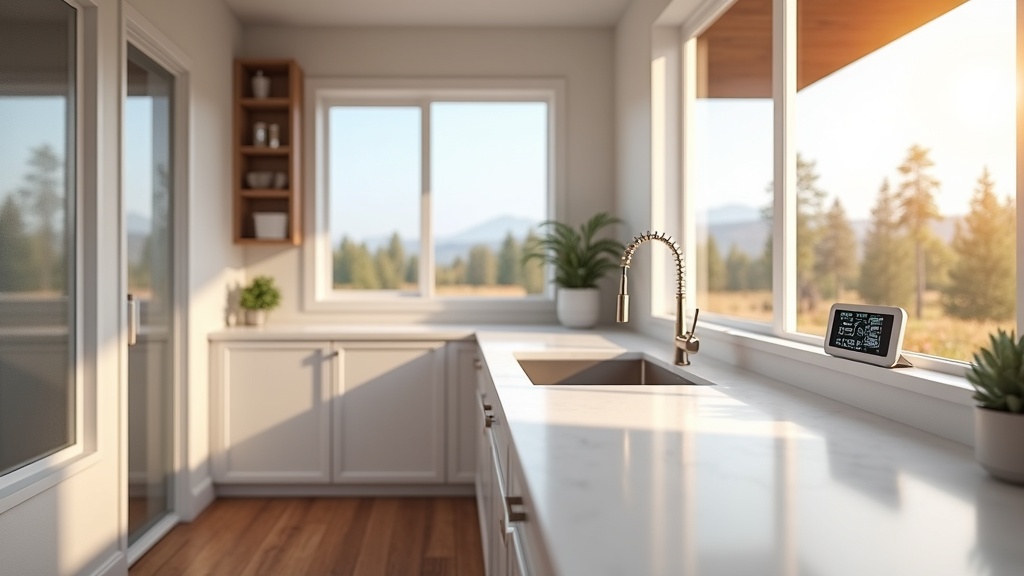
On January 1, 2026, Matter 1.4 became the mandatory standard for smart home devices. That shift quietly made water monitoring mainstream overnight. IKEA now sells a water leak sensor for $8. 9to5Mac called leak sensors "the single most critical smart home upgrade of 2026." If you have been putting off smart water monitoring, the barrier just got very low.
The timing makes sense. Water damage is the second most common homeowner insurance claim, averaging $13,954 per incident. One in every 60 homes files one annually. A single undetected leak under a sink or behind a washing machine can cause that kind of damage in hours. The devices that stop it now cost less than a pizza.
But if you live in Boise or Meridian, there is a second water problem that no sensor on the market can detect. More on that in a moment. First, let's look at what these devices actually do.
Why 2026 Is the Year Smart Water Monitoring Went Mainstream
The reason smart water monitoring took off this year is not a single product. It is standardization. Matter/Thread compatibility means sensors from different brands now work on the same network without proprietary hubs or frustrating pairing rituals. Apple Home, Google Home, and Amazon Alexa all speak the same language now.
That unlocked a wave of affordable hardware. IKEA's Klippbok sensor at $8 is the entry point. Shelly, Aqara, and Eve followed with their own Thread-native devices. When the cheapest option costs less than a lunch, adoption accelerates. And with Thread border routers now built into HomePod mini, Apple TV 4K, and most recent Echo devices, most Treasure Valley homes already have the infrastructure in place.
The Two Types of Smart Water Monitors
There are two fundamentally different approaches, and they solve different problems.
Point leak sensors sit on the floor near appliances and sound an alert when they get wet. The IKEA Klippbok ($8) and Aqara Water Sensor T1 ($18) are solid options here. The Shelly Flood Gen4 ($22) adds temperature sensing. These are reactive: they catch a leak that has already reached the floor.
Whole-home flow monitors are proactive. They attach to your main water line and track consumption in real time, flagging unusual patterns before water reaches the floor.
- Flume 2 ($199): Non-invasive clamp installs around your meter in about 10 minutes. No plumber required. Works with most city meters.
- Moen Flo ($499+): Cuts into the supply line and includes automatic shutoff. Catches slow leaks and micro-drips. Requires a licensed plumber for installation.
- Phyn Plus ($499): Takes 240 pressure readings per second. One of the most sensitive systems available.
The cost spectrum runs from $8 to well over $500. Your choice depends on how much peace of mind you want and how much plumbing you are willing to do.
What Boise and Meridian Homeowners Need to Know Before Buying
A few Treasure Valley specifics that the product pages won't tell you.
The Flume 2 is compatible with Boise city meters and most SUEZ-serviced meters in Meridian. Check Flume's meter compatibility list before ordering. In most subdivisions built after 2010, you are likely fine.
The Moen Flo requires a licensed plumber to cut into your supply line. Budget $150 to $250 for installation on top of the device cost.
Thread-based sensors need a border router to join your network. If you have a newer HomePod, Apple TV 4K, or Echo (4th gen or later), you already have one.
One more thing worth knowing: State Farm and Allstate both offer premium discounts for homes with automatic shutoff systems like the Moen Flo. Call your agent and ask. In some cases the discount pays for the device in two to three years.
The One Thing Smart Sensors Cannot Tell You
Here is what no flow monitor or leak sensor on the market can detect: what is dissolved in your water.
Boise municipal water runs between 10 and 15 grains per gallon of hardness. Meridian households on SUEZ-supplied water often see 12 to 17 gpg. That calcium and magnesium is invisible to every sensor listed above. It does not trigger an alert. It does not show up in your app. But it is silently depositing scale inside your pipes, water heater, and appliances every single day.
Think of it this way: a smoke detector is essential, but it does not tell you whether your wood framing is dry and brittle from years of neglect. A flow monitor tells you water is moving or pooling. It cannot tell you what that water is doing to your infrastructure.
Scale buildup of just 1/8 inch inside a water heater tank forces the unit to consume 30% more energy to heat the same amount of water. Over three to five years in Treasure Valley hardness conditions, unprotected heaters and pipes accumulate that level of buildup quietly. A smart sensor gives you half the picture. A water quality test gives you the other half.
If you want to understand the full picture of what hard water is doing to your home, our article on hard water scale in water heaters breaks down the mineral levels and what they mean for your appliances.
Building a Complete Water Intelligence System
You do not have to buy everything at once. Here is a practical tiered approach for Treasure Valley homeowners.
Tier 1 ($50 to $100): Two to four point sensors under sinks, behind the washer, and near the water heater. IKEA Klippbok or Aqara T1 for any Thread-compatible hub. Catches active leaks before they spread.
Tier 2 ($200 to $300): Add a Flume 2 for whole-home flow monitoring. Tracks consumption patterns, catches slow leaks, and integrates with most smart home platforms.
Tier 3 ($400 to $600): Moen Flo or Phyn Plus with automatic shutoff. Best for homes with a history of plumbing issues, vacation properties, or anyone who travels frequently.
Plus: Free water test from TrueWater. Covers the mineral composition your sensors cannot see. Knowing your hardness level tells you whether a water softener belongs in your budget before scale damage forces the conversation.
For more on how softening fits into a Treasure Valley home system, see our guide on water softener costs in Meridian.
Frequently Asked Questions
Get the Complete Picture
Smart sensors protect against leaks. A free water test tells you what your water is doing to your pipes and appliances every day. Schedule yours at no cost, no obligation.