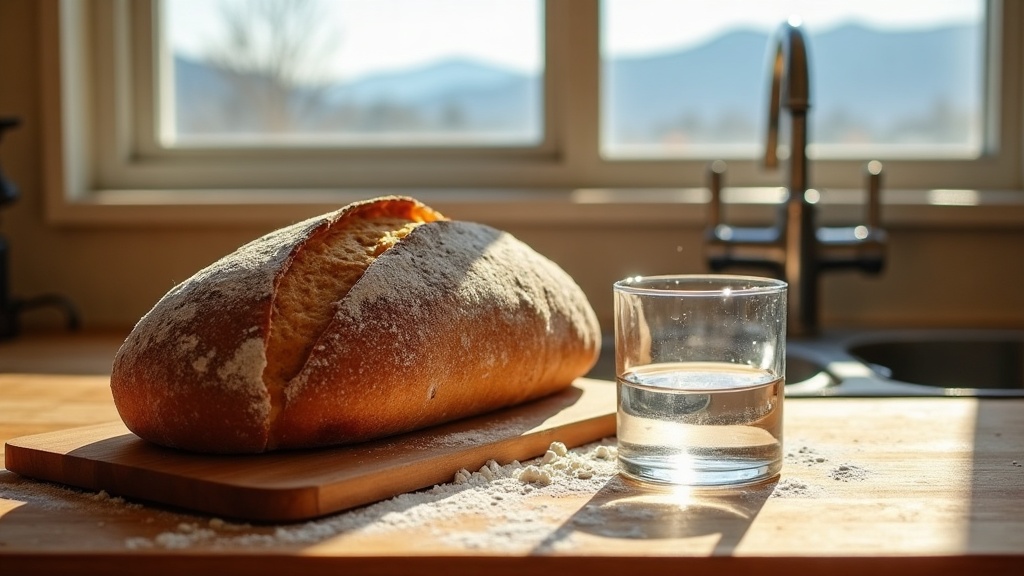
Your starter has a name. You feed it on a schedule. You have watched a dozen YouTube videos on improving oven spring and perfected your shaping technique. And yet the rise is unpredictable. The crumb is tighter than the photos online. Something is off, and you cannot figure out what.
For Boise and Meridian home bakers, the missing variable is often the most obvious one: the water coming out of your tap. Not in a vague, hand-wavy way. In a specific, chemistry-driven way that directly affects how your wild yeast and lactobacillus behave.
Boise's Sourdough Scene Is Serious
The Treasure Valley has developed a real artisan bread culture over the past few years. Burread Bakery, which opened in downtown Boise in late 2025, sells slow-fermented sourdough loaves, croissants, and tarts and started its life at local farmers markets. Glutonia, also new in 2025, uses Idaho and Pacific Northwest grains to make country loaves and baguettes. The Boise Farmers Market at 1500 Shoreline Drive features local bread vendors every week through the season.
At home, sourdough is having its biggest sustained moment in decades. Global sourdough conversations are up 79% year-over-year, according to Puratos. Searches for "sourdough bread gut health" rose 99% in the past year. The gut health angle has made home bakers more obsessive about their ingredients, tracking hydration percentages, sourcing heritage grain flours, and scrutinizing their process for any variable they can optimize.
Water is almost always the last thing they check. It probably should be the first.
Your Starter Is a Living Culture
Sourdough starter is not just flour and water sitting in a jar. It is a living ecosystem of wild yeast and lactic acid bacteria, primarily Lactobacillus species. These microorganisms produce carbon dioxide (the rise), lactic acid and acetic acid (the flavor complexity), and a range of secondary metabolites that give a well-developed sourdough its distinct character.
That ecosystem is sensitive to its environment. Temperature matters. Flour type matters. Feeding ratio matters. And water chemistry matters considerably more than most home baking guides acknowledge.
A March 2026 peer-reviewed study published in the International Journal of Food Microbiology confirmed that mineral availability directly influences microbial species diversity and metabolite dynamics during sourdough fermentation. In plain terms: what is dissolved in your water shapes the community of organisms doing the work.
The Chloramine Problem Nobody Warns You About
Here is the piece of information most sourdough guides miss: Boise's city water system uses chloramine in its distribution lines, not just chlorine.
Chlorine and chloramine are both used to disinfect municipal water, but they behave very differently in your kitchen. Chlorine is volatile. Leave a jar of tap water uncovered overnight and chlorine will largely evaporate. That is why "use filtered or overnight-rested water" became the standard sourdough advice.
Chloramine is a different molecule. It is formed when chlorine is combined with ammonia, and it is far more stable. It does not evaporate when left out. Boiling water will not remove it. The common overnight rest trick does nothing to chloramine. According to baking communities like The Fresh Loaf, chloramine is "reportedly very hard on the microorganisms bakers depend on," causing sluggish fermentation and unpredictable rise.
If you have been leaving your water out overnight and still getting inconsistent results, this is likely why. The chloramine is still there, and it is still stressing your culture. The only reliable way to remove chloramine is a carbon block filter or a whole-house carbon filtration system.
Hard Water and Your Starter's pH
The second challenge is mineral hardness. Treasure Valley tap water runs 8 to 15 grains per gallon (roughly 137 to 257 parts per million), depending on your city and the time of year. Meridian specifically measures around 143 ppm. Eagle typically runs lower, around 100 to 155 ppm. Nampa and Caldwell can run higher.
Professional bakers and the King Arthur Flour baking team generally recommend water in the 50 to 100 ppm range for optimal bread fermentation. At that mineral level, there is enough calcium and magnesium to provide trace mineral nutrition for yeast, but not so much that the pH starts working against the acidic environment that lactobacillus needs.
Above roughly 200 ppm, hard water begins to visibly fight sourdough. Calcium and magnesium ions tighten gluten structure, which can feel like a benefit at first but slows fermentation by making the dough less extensible for the gas bubbles your yeast produces. High mineral content also raises water pH toward alkaline, which directly competes with the acidic environment your starter is trying to create and maintain.
Meridian at 143 ppm is above the ideal window. It is not catastrophically hard for baking, but it is above the range where you get the best, most consistent fermentation results. If you are also dealing with chloramine at the same time, the two issues compound each other.
For more on how hard water affects cooking more broadly, including pasta, tea, and stocks, we covered the kitchen impact in detail in an earlier piece.
What Boise Bakers Are Actually Doing About It
There are a few practical options, with honest tradeoffs:
- Bottled water: Works, but expensive and wasteful if you are baking regularly. Also inconsistent across brands since mineral content varies widely.
- Standard pitcher filter (Brita, etc.): Reduces chlorine and some taste issues. Most do not reliably remove chloramine. Better than nothing, but not a complete fix if chloramine is your primary problem.
- Carbon block under-sink filter: Specifically rated for chloramine removal. Addresses the disinfectant problem but does not change mineral hardness. A good middle step for dedicated bakers.
- Whole-house water softener with carbon prefiltration: Addresses both issues simultaneously. The carbon stage removes chloramine from every tap in your home. The softener brings hardness from 8 to 15 GPG down to roughly 1 GPG, into the optimal baking range. This is what bakers using softened, filtered water consistently report as producing the most predictable rise and most developed flavor.
The right solution depends on your water's specific numbers and how seriously you take your baking. If you are feeding a starter daily and selling at the Boise Farmers Market, the calculus is different than if you bake once a week for your household.
Your Starter Deserves the Same Attention You Give Your Flour
Serious home bakers spend real money on heritage grain flours, bench scrapers, Dutch ovens, and linen proofing baskets. The water variable is often completely ignored, even though it is the ingredient making up 65 to 75% of most sourdough recipes by weight.
If you have invested months in developing a starter, learned to read its bubbles and smell its acidity, and still get unpredictable results, the water in your home is worth investigating. For Treasure Valley bakers, it is almost always part of the story.
We also covered how water quality affects coffee extraction and home cooking in an earlier guide, which covers the same mineral chemistry from a flavor perspective.
Find Out What Is in Your Water
A free water test from TrueWater Idaho takes about 20 minutes and gives you actual hardness numbers and a full breakdown of what your Treasure Valley water contains. No sales pressure. Just data. Then you can decide what, if anything, to do about it.