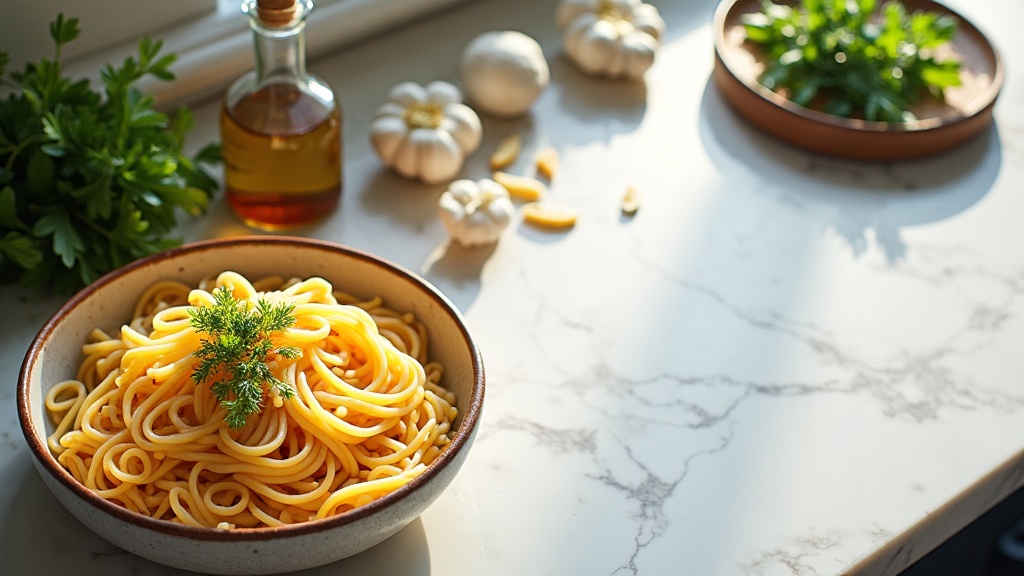
Something interesting is happening in Treasure Valley kitchens in 2026. More people are making pasta from scratch, baking sourdough at home, and obsessing over the perfect cup of loose-leaf tea. Cooking from scratch is having a real moment, and for good reason. You get better flavor, better texture, and you actually know what's in your food. But there's a variable most home cooks here are completely ignoring, and it's running out of their tap every single time they cook.
Your water. Specifically, how hard it is.
If you've been following recipes to the letter and still ending up with gummy pasta, flat-tasting tea, or bread that's denser than it should be, your water may be the reason. Boise and Meridian tap water sits between 10 and 17 grains per gallon, which puts it in the hard to very hard range. That mineral load is invisible, but it's showing up in your food every day.
What Hard Water Actually Does in Your Pot
Hard water is water with a high concentration of dissolved calcium and magnesium. In the Treasure Valley, those minerals come from the volcanic basalt and limestone geology that the Snake River Plain sits on. As water moves through that rock on its way to your tap, it picks up calcium and magnesium ions. Boise city water typically tests between 10 and 15 gpg; Meridian, which pulls from deeper groundwater, often runs 12 to 17 gpg.
Those numbers might sound abstract, but in the kitchen they translate to real chemistry. Calcium and magnesium ions are reactive. They interact with proteins, starches, fats, and plant compounds in ways that change the texture and flavor of food. Sometimes those interactions are subtle. Sometimes they're dramatic enough that you notice something is off even if you can't explain it.
Pasta: Why Yours Might Come Out Gummy
If you're making pasta from scratch or even cooking dried pasta from a good Italian brand, the water you boil it in matters more than most recipes acknowledge. When pasta cooks, the starch granules on its surface absorb water and swell, a process called gelatinization. Done right, this gives you that satisfying firm exterior with a slightly soft center.
Here's what happens with hard water: the calcium ions in your boiling water react with the swelling starch molecules on the pasta surface. Instead of gelatinizing cleanly, the starch forms tighter, stickier bonds. The result is pasta that clumps together, has a slightly gummy or pasty texture, and doesn't hold sauce as well. You might also notice a cloudier boiling liquid, because the starch is releasing differently.
This is why pasta recipes from regions with soft municipal water often produce better results than the same recipe made in the Treasure Valley. The recipe isn't wrong. The water is just different.
Tea: The Mineral Interference Problem
The resurgence of loose-leaf tea and specialty brewing in 2026 has brought water quality front and center for serious tea drinkers. Tea contains compounds called tannins and polyphenols that create its characteristic astringency, depth, and complexity. When those compounds encounter calcium and magnesium ions in hard water, they bind together. The mineral-polyphenol bond is stable, which means those flavor compounds stop contributing to what you taste. The tea ends up flat, dull, and often with a slight bitterness that shouldn't be there.
Specialty tea importers and high-end tea houses recommend brewing water in the 50 to 100 parts per million range for optimal extraction. Boise tap water typically measures between 170 and 295 ppm total dissolved solids, and Meridian runs higher. That's two to five times the mineral load recommended for quality tea.
The same principle applies to coffee, which is why Boise's growing specialty coffee scene has seen roasters and cafes increasingly filter their water. If you've brewed an excellent bag of single-origin beans at home and felt like something was missing, this is worth knowing about. The beans were fine. The water was fighting them.
Bread and Pizza Dough: A More Complicated Story
Bread baking is where water hardness gets interesting, because the relationship isn't entirely negative at moderate levels. Some mineral content strengthens gluten, the protein network that gives bread its structure and chew. Professional bakers have long known that slightly mineralized water can improve dough elasticity. This is part of why certain regional breads have a texture that's hard to replicate elsewhere.
The problem is that Treasure Valley water is typically past the point where minerals help. At 10 to 17 gpg, excess calcium and magnesium over-tighten the gluten network. Your dough becomes stiffer and harder to work with than it should be. It resists stretching when you're shaping it and tends to spring back aggressively. During fermentation, the tighter gluten network also constrains how much gas the yeast can trap, which means reduced rise and a denser crumb than the recipe intends.
If you've been adding extra kneading time to get your dough to cooperate, or if your sourdough loaves consistently come out denser than the YouTube tutorial you followed, this could be why. The person in that video might be working with 80 ppm water. Yours might be closer to 250 ppm.
Cooking Vegetables and Legumes
Hard water also affects how vegetables and dried beans cook, for a chemistry reason that surprises most people. Calcium ions strengthen pectin, the compound in plant cell walls that holds structure together. That sounds like it would make vegetables hold their shape better, which seems like a good thing, but it also means vegetables can struggle to soften fully in hard water.
Dried beans and lentils are where this matters most. If your beans are taking longer to cook than the package says, or if they're coming out with tough skins even after a full cook time, your water hardness is likely a contributing factor. Soaking beans overnight and discarding the soak water helps somewhat, but it doesn't fully solve the mineral interaction during cooking.
Some recipes from the American Southwest and regions with hard water developed naturally around this, calling for longer cook times than recipes from New England or the Pacific Northwest where municipal water is often much softer. Your Boise kitchen is running a similar experiment every time you make a pot of beans.
What You Can Do About It
The most targeted fix for cooking and brewing specifically is a reverse osmosis system under your kitchen sink. RO removes 90 to 95 percent of dissolved minerals, bringing your water down to 10 to 50 ppm, which is the range where pasta cooks correctly, tea extracts fully, and bread dough behaves the way your recipe expects. You'd use filtered water from the RO tap for cooking, boiling, and brewing, while your regular tap handles washing dishes and filling the kettle for general use.
A whole-house water softener addresses the hardness throughout your home, protecting your appliances, plumbing, and fixtures while making the water easier to work with across the board. Softened water still contains some dissolved solids (sodium replaces the calcium and magnesium), so some serious home bakers and tea enthusiasts prefer RO at the kitchen tap for cooking applications specifically. Many Treasure Valley households end up doing both, a softener for the whole house and RO under the kitchen sink for drinking and cooking.
If you're not ready for a system yet, filtered water from a pitcher or countertop filter can reduce mineral content enough to notice a difference in tea and coffee. It's a modest improvement compared to RO, but it's a starting point. For pasta and bread, the effect will be smaller because the volume of water involved is larger than a filter pitcher can reasonably supply for daily cooking.
If you've ever wondered about what's actually in your Boise tap water, the city publishes annual water quality reports, and TrueWater Idaho offers free in-home water tests that give you a current, specific reading for your address, not just a citywide average.
Curious About Your Boise Water?
We offer a free in-home water test with no pressure and no sales tactics. Just honest answers about what's in your tap water.