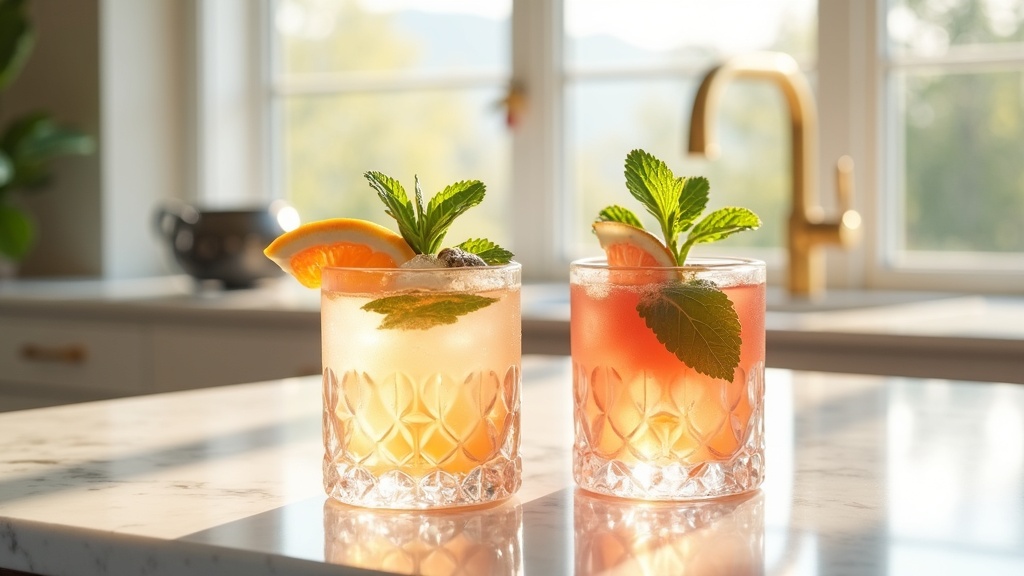
The Zero-Proof Revolution Is Here to Stay
Something significant is happening at bars, restaurants, and backyard gatherings across the country right now. US alcohol consumption has dropped to its lowest point in nearly 90 years, and the shift is not just about sobriety. A growing slice of adults, especially those in their 20s and 30s, are choosing what the wellness world calls a "sober curious" lifestyle. They are not necessarily giving up alcohol forever. They are just asking a different question: does every occasion actually need a drink?
The numbers back this up. The zero-proof beverage market hit $8.86 billion in 2026 and is growing at 5.7 percent annually. Sixty-two percent of adults now report choosing alcohol-free drinks specifically for health reasons at least some of the time. Dry July is happening right now, with thousands of Treasure Valley residents taking on the month-long alcohol-free challenge. What started as a niche wellness movement has become a genuine lifestyle category, and the craft beverage world has responded.
Walk into any upscale Boise restaurant today and you will find a dedicated zero-proof menu. We are talking about drinks built around adaptogens, botanicals, shrubs, fermented teas, and house-made cordials. Elderflower, hibiscus, activated charcoal lemonade, lavender mint fizz. These drinks are genuinely craft beverages, and people are paying $8 to $14 for them.
Water Is 80% of What You're Mixing
Here is something the craft beverage world has known for years that most home mixologists never think about: water is not just the thing you pour drinks into. It is the primary ingredient in almost everything you mix. Depending on the recipe, water makes up anywhere from 80 to 95 percent of a finished mocktail by volume. The base water, the ice, the sparkling top, the herb-infused simple syrup you simmered at home. It is all water. And the water's chemistry shapes every other flavor in the glass.
This is why professional bartenders and craft beverage makers obsess over their water source in a way most home cooks never do. Specialty coffee roasters in Boise filter their water to a precise mineral profile before brewing. Craft breweries in the Treasure Valley control their water chemistry down to the parts-per-million level. When your canvas is 80 percent water, the water is not background noise. It is the base coat.
Most delicate botanical flavors, things like elderflower, lavender, hibiscus, fresh mint, and citrus zest, are volatile compounds that need a clean, neutral water base to express themselves clearly. Introduce competing minerals into that base and the flavors collapse into each other or disappear entirely. You can buy the best elderflower cordial available and still produce a muddy, flat drink if your water is working against you.
What Boise's Hard Water Actually Does to Your Mocktail
Boise city water runs between 10 and 15 grains per gallon of hardness. In Meridian, where much of the supply draws from deeper Snake River Plain aquifers, that number climbs to 12 to 17 grains per gallon. For context, water above 10.5 GPG is classified as very hard by USGS standards. Most of the Treasure Valley sits well into that zone.
What does that mean when you are making a lavender lemon fizz or a hibiscus mint cooler at home? Three specific things happen.
Mineral taste overpowers delicate botanicals. Calcium and magnesium dissolved in hard water add a faint mineral weight and sometimes a chalky finish that competes directly with citrus brightness and floral notes. A mocktail built around elderflower or rose syrup simply does not taste the same.
Chlorine from municipal treatment kills herb and floral notes. Boise and Meridian treat municipal water with chlorine or chloramines to meet EPA safety standards. Chlorine is chemically reactive. It binds with aromatic compounds in fresh herbs, lavender, and edible flowers. Mint loses its pop. Lavender goes flat.
Cloudiness ruins clear and sparkling drinks. Many zero-proof craft drinks are meant to be visually striking. Hard water creates mineral precipitate when it is chilled or carbonated. You will see it as a haze that would not appear in the same drink made with filtered water.
The Treasure Valley Water Question Everyone Is Asking
Water quality has been on a lot of Treasure Valley neighbors' minds this week. Residents in Star and Eagle made local headlines pushing back on the Eagle Sewer District's proposal to route treated wastewater into local canals, a story that got homeowners across the valley asking more basic questions about what is actually in their water supply. It is a fair set of questions. Water infrastructure in a fast-growing region like the Treasure Valley is genuinely complicated, and the sources, treatment processes, and distribution systems that reach your tap are not always transparent or obvious.
The good news is that whether you are on city water in Boise, Meridian, Eagle, or Star, getting a clear picture of what is in your tap water is simple and free. A water test gives you actual numbers: hardness level, chlorine presence, sediment, and any other contaminants worth knowing about. Most Treasure Valley homeowners are surprised by how high their hardness numbers actually are when they see them on paper. What we find regularly in Meridian homes, readings between 12 and 17 GPG, would be considered extreme in most US cities.
Even if you are not worried about infrastructure questions, knowing your water baseline is genuinely useful. It changes how you cook, how you hydrate during Dry July, and yes, how you make drinks at home. A free water test from TrueWater Idaho takes about 20 minutes and comes with zero pressure. It is just information.
How to Make Your Best Zero-Proof Drink Yet
The fix for hard water mocktails is straightforward. Start with better base water, and everything else gets easier.
A reverse osmosis system removes the dissolved calcium, magnesium, chlorine, and other minerals that work against craft drinks. What comes out of an RO system is a clean, neutral base without the competing chemistry that flattens your ingredients. When you make a cucumber mint cooler with filtered water, the mint actually tastes like mint. When you brew hibiscus tea for a sparkling mocktail with filtered water, the ruby color is clear and bright rather than hazy.
A few specific improvements Treasure Valley homeowners notice after switching to filtered water for beverages:
- Sparkling water drinks stay visually clear rather than developing that mineral haze on ice
- Fresh herb simple syrups (mint, basil, lavender) hold their aroma and color longer
- Citrus-forward drinks taste brighter because the mineral weight is gone
- Store-bought sparkling water mixed with a filtered base does not develop the chalky finish that hard tap water creates
This is the same reason we recommend filtered water for coffee and cooking and why local bread bakers using our filtered water have noticed better sourdough fermentation. The principle is the same: when the base ingredient is clean and neutral, everything you add to it can actually do its job.
If you are doing Dry July this month and investing real effort into zero-proof drinks worth looking forward to, your water is the one variable worth fixing. It is the easiest upgrade with the most immediate payoff.