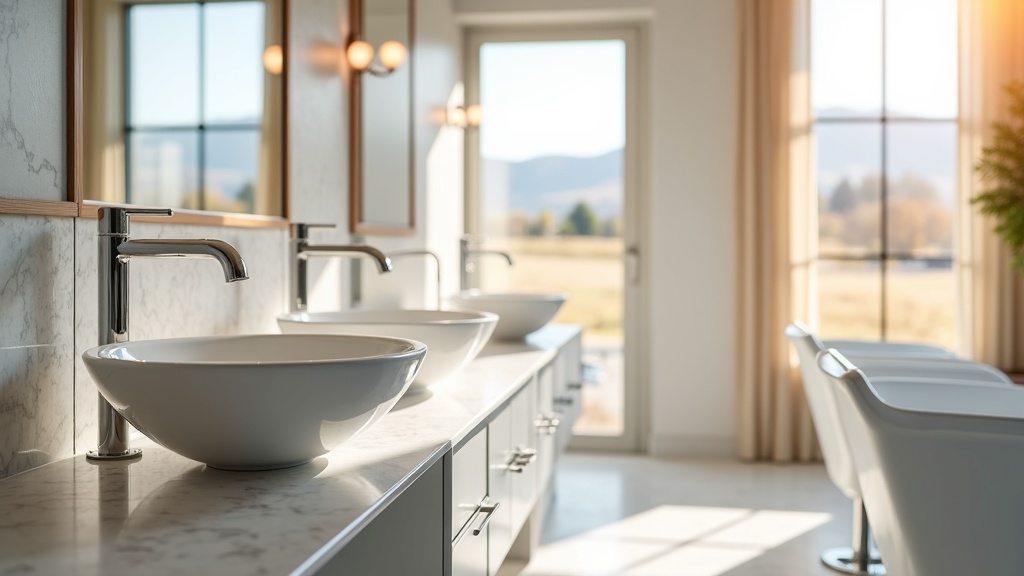
Boise is not the small city it used to be. Treasure Valley has been one of the fastest-growing regions in the country for five straight years, and the local salon and spa market has grown right alongside it. That means your clients have more choices than ever before, and they are using them. In this environment, skill alone is not enough to hold onto a chair. The salons that retain clients and grow through referrals are winning on experience, and experience comes down to details. So here is the question worth sitting with: what details are you still overlooking?
The Boise Salon Market Is More Competitive Than It Looks
Ada and Canyon Counties added over 30,000 new residents last year. Some of those people opened businesses. Many of them opened salons. From Meridian to Nampa to the North End, the number of licensed cosmetology businesses in the Treasure Valley has climbed steadily, and so has consumer sophistication. According to industry research, 78% of clients research a salon online before they ever book. They read reviews, scroll photos, and compare experiences. And when they leave a negative review, 75% of the time it is not about technical skill. It is about how they felt during and after the service. Boise salon owners are not just competing on cuts and color anymore. You are competing on the entire experience economy, and the margin for error is shrinking.
The Details Clients Actually Remember
High-performing salons have figured out that retention is built in the small moments. The consultation that actually listened. The color result that matched what was discussed. The follow-up text two weeks later asking how the hair is holding up. These touchpoints create the feeling that keeps clients coming back and telling their friends.
Research from Salesforce found that 71% of consumers want services that feel thoughtful and tailored. Most salon owners already think about the music, the lighting, the beverages at the front desk. Some invest in consultation software, loyalty programs, better retail displays. All of that matters.
But there is one input that touches every single service you offer, every client who sits in your chair, every shampoo bowl and color rinse and facial treatment in your entire building, and most owners in the Treasure Valley have never given it a second thought. That input is the water coming out of your pipes.
What Hard Water Is Actually Doing in Your Shampoo Bowl
Water hardness is measured in grains per gallon (GPG). Anything above 7 GPG is considered hard, and the Treasure Valley sits well above that threshold. Meridian municipal water averages around 8.4 GPG. Parts of Boise come in as high as 11 GPG depending on the neighborhood and the season.
Those numbers are not abstract. What they mean in practice is that your water carries significant concentrations of calcium and magnesium minerals. When that water hits a client's hair, those minerals bond to the hair shaft. They build up over time, creating a film that sits between the hair cuticle and whatever product you apply.
Here is how that shows up in your services: color fades faster because the mineral film interferes with pigment absorption and retention. Blondes go brassy more quickly. Blowouts fall flat sooner after the client leaves your chair because the mineral coating weighs the hair down. Keratin and smoothing treatments do not penetrate as effectively. Shampoo does not lather as fully, so stylists often use more product to compensate.
The American Society of Plumbing Engineers estimates that 85% of U.S. water systems deliver hard water. That means the majority of salons in this country are running hard water through their shampoo bowls without realizing the effect it has on their results. Clients may not say anything directly. But they notice when their color does not last as long as they expected, and they start wondering if the salon is actually that good. You can learn more about how mineral buildup affects hard water's impact on hair health in our earlier breakdown.
What Soft Water Changes for Salon Services
When you treat the water coming into your shampoo bowls, the change is immediate and noticeable. Soft water lathers fully and rinses completely. That means less product used per service and a cleaner foundation for everything that follows.
Color results improve because the hair shaft is not blocked by mineral deposits. Pigment absorbs more evenly and holds longer. Clients come back for their touch-up and the color still looks good, which builds trust in your work. Blondes stay brighter. Brunettes hold their tone.
After a blowout with soft water, hair has a texture clients often describe as silky or smooth. That is not magic and it is not a different product. It is chemistry. Without the mineral film weighing the hair down, the cuticle lies flat and reflects light properly. Clients feel the difference before they even look in the mirror.
The same logic applies to spa services. Estheticians working in areas with soft water report that facial treatments feel cleaner and that masks and serums seem to work more effectively. When the water itself is not fighting your products, your products perform the way they were designed to.
The Business Case for Treating Your Salon Water
A commercial water softener is not a luxury upgrade. It is an operational investment with a measurable return, similar to the category of decision you make when you upgrade shampoo bowls or invest in better color lines.
First, product consumption drops. When water lathers fully and rinses clean, your team uses less shampoo, conditioner, and treatment product per service. Across dozens of clients per week, that reduction adds up quickly in your supply costs.
Second, outcomes improve. Better color retention means clients see consistent results and trust your work. That trust translates into rebookings and referrals. In a market where reviews drive 78% of booking decisions, giving clients a result they can brag about is one of the most direct paths to growth.
Third, differentiation matters. Most salons in Meridian and Boise are not thinking about water quality. If your salon delivers noticeably better results, clients will eventually ask what you do differently. That conversation is a retention and marketing asset.
What to Do Next If You Own a Salon in the Treasure Valley
The first step is simple: find out what your water actually looks like. Hardness levels vary by city, by neighborhood, and even by which municipal source feeds your street. A free water test gives you the real number so you are not guessing.
If your water comes in above 7 GPG, which is likely in most of Ada and Canyon County, a commercial softener sized to your salon's daily volume is a straightforward solution. We size commercial systems based on the number of shampoo bowls, services per day, and total flow rate so you get the right system, not an oversized one.
At TrueWater, we offer free water testing to Treasure Valley salon and spa owners. No commitment, no pressure. Just the information you need to make a smart decision. Call us at (208) 968-2771 to schedule your free test.