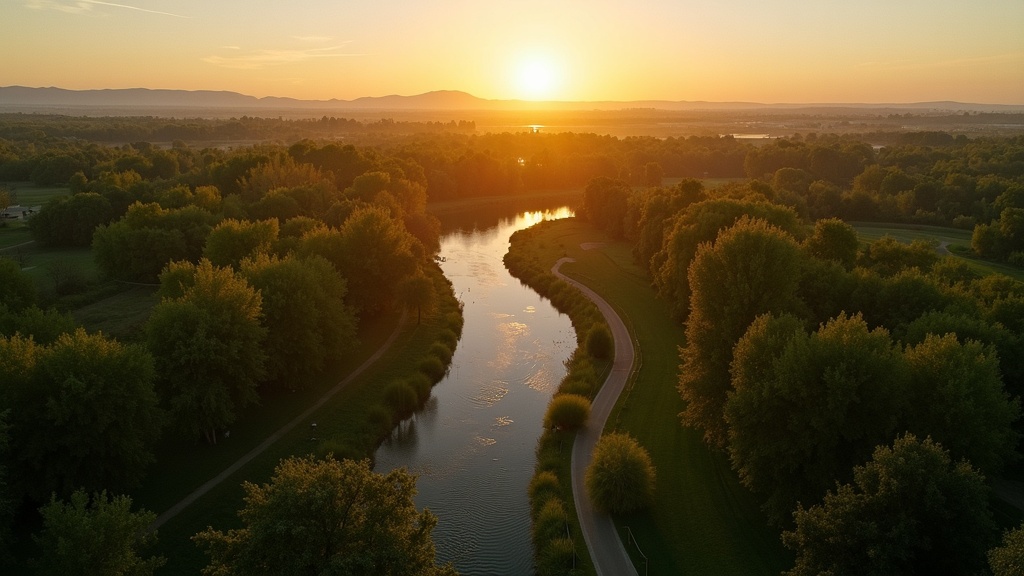
If you have been out on the Boise River Greenbelt before 8 AM this summer, you already know what is happening. Groups are everywhere. Some in matching shirts, some in a loose pack that stretches half a block, all of them putting in miles before the heat arrives. Boise's run club scene has quietly become one of the best reasons to set an early alarm, and the momentum is still building.
Tuesday nights at Payette Brewing with Boise Run Club. Weekend long runs with Boise Area Runners. Fleet Feet Meridian's group runs out through Northwest Meridian. Idaho Running Company's Thursday evening groups heading toward the Foothills. Tree City Track Club hammering intervals at Borah High School. Whatever your pace or schedule, there is a group for it, and most of them are free to join.
The thing is, most serious runners have thought hard about shoes, route planning, pace zones, and what is on their playlist. Almost nobody has thought about what is coming out of their tap. In July in Boise, that gap matters a lot more than most people realize.
Why Run Clubs Are Taking Over Boise (and Everywhere Else)
According to Strava's 2025 Year in Sport report, run clubs tripled globally between 2023 and 2025. The reasons are not complicated: it costs nothing to join, you show up more consistently when other people are expecting you, and you get the social connection that grinding solo on a treadmill will never provide.
Boise is a particularly good fit for this. Summer mornings here are genuinely beautiful before 9 AM. The Foothills glow, the Greenbelt is quiet enough to have a conversation, and the air is cool enough that a 6-mile effort feels manageable. By 11 AM in July, that window closes hard. So the groups have adapted: early start times, post-run coffee spots, and a culture that makes waking up at 5:30 feel worth it.
The scene ranges from casual to competitive. Boise Area Runners pulls serious mileage. Tree City Track Club does structured workouts. Boise Run Club at Payette Brewing draws first-timers and seasoned runners alike. Fleet Feet Meridian's coached runs work well for people building up from shorter distances. There is something for everyone.
The Hydration Variable Most Boise Runners Miss
Running coaches spend a lot of time on hydration math. The numbers are well established: drink 16 to 20 ounces two to three hours before a run. During the run, aim for 6 to 8 ounces every 15 to 20 minutes. After the run, replenish both water and electrolytes. In July heat in the Treasure Valley, those numbers are not suggestions. They are the difference between finishing strong and hitting a wall at mile 4.
Here is what almost no coach talks about: what you are actually drinking matters. If the water tastes off, you will not hit those numbers. This is not a willpower problem. It is just human behavior. People drink less of things that taste bad. In a city with notable chloramine levels and late-summer mineral concentrations in the tap water, a lot of Boise runners are quietly under-hydrating because they do not love what comes out of the faucet.
The default workaround is bottled water. That works fine, but it adds up fast if you are training four to five days a week through July and August. And it is a solvable problem at the source.
What Boise's Hard Water Actually Contains (And Why Runners Should Know)
Boise's tap water hardness runs 10 to 15 grains per gallon depending on which supply source is feeding your neighborhood. The city draws from two main sources: surface water from the Boise River, which is softer, and groundwater from the aquifer, which carries more dissolved minerals from the volcanic basalt geology of the Snake River Plain. Meridian typically runs 12 to 17 GPG.
The primary minerals are calcium and magnesium. Those are the same compounds in most electrolyte supplements. If you are drinking Boise tap water, you are already getting some electrolyte load from your hydration. That is worth factoring in if you are precise about electrolyte math.
There is a 2026 drought context that makes this summer different from last year. Boise's Stage 2 drought emergency ordinance has shifted the city toward heavier aquifer draws as surface water from the Boise River runs lower. We covered this in detail in our 2026 Boise water quality report: Boise tap water is measurably harder this summer than it was at this point last year. It is not a health risk, but it is worth knowing if you are tracking your intake carefully.
Why Boise Tap Water Tastes Different Right Now
The taste issue in summer has a specific cause. Boise uses chloramine as its primary disinfectant. It is safe and widely used, but it has a noticeable taste that intensifies in summer. Hot weather warms the water sitting in distribution pipes before it reaches your glass, and warmer water releases more of the chloramine flavor.
If you have noticed your tap water tasting more chemically in July than it did in March, this is why. The water is safe. But the taste barrier is real, and for runners trying to hit their hydration targets in 90-plus-degree weather, it becomes a genuine obstacle. A taste issue that costs you even four ounces per drinking interval adds up to a real deficit across a summer run.
The fix is simpler than most people expect. A whole-house or under-sink carbon filter removes chloramine taste almost entirely. Most people who switch to filtered water at home report drinking noticeably more water without making any conscious effort. The taste was the friction, and the filter removed it.
What TrueWater Recommends for Boise Runners
The first step is always a free water test. We can tell you your actual hardness level and chloramine concentration. Most people assume they know what is in their water, but Boise's supply blend shifts seasonally, especially this summer with the drought driving more aquifer draw. Knowing your actual numbers takes about 30 minutes and costs nothing.
For the hydration problem specifically, a whole-house carbon filter handles the chloramine taste issue. It is a straightforward installation and the difference is immediate. If you pre-fill water bottles the night before your morning run, you will notice it on the first fill. Removing the taste barrier is the easiest lever for runners who want to stay on top of hydration without thinking about it.
For the full picture, including post-run recovery, skin and hair health, and appliance longevity, a water softener addresses the hard water side of the equation. We wrote about the shower and recovery angle specifically for trail runners here, but it applies equally to road runners and run club regulars. The two systems can be paired, or you can start with whichever issue bothers you most.
With Stage 2 drought restrictions in place and heavier aquifer draw likely through the end of summer, this is a reasonable time to understand exactly what is coming out of your tap. The water is safe to drink. The question is whether it is working for you, or working against your training.
Know What's In Your Boise Tap Water
Free water test, no pressure. We come to you, tell you exactly what you have, and let you decide what to do with that information.