Why Rucking Is Taking Over Boise This Summer
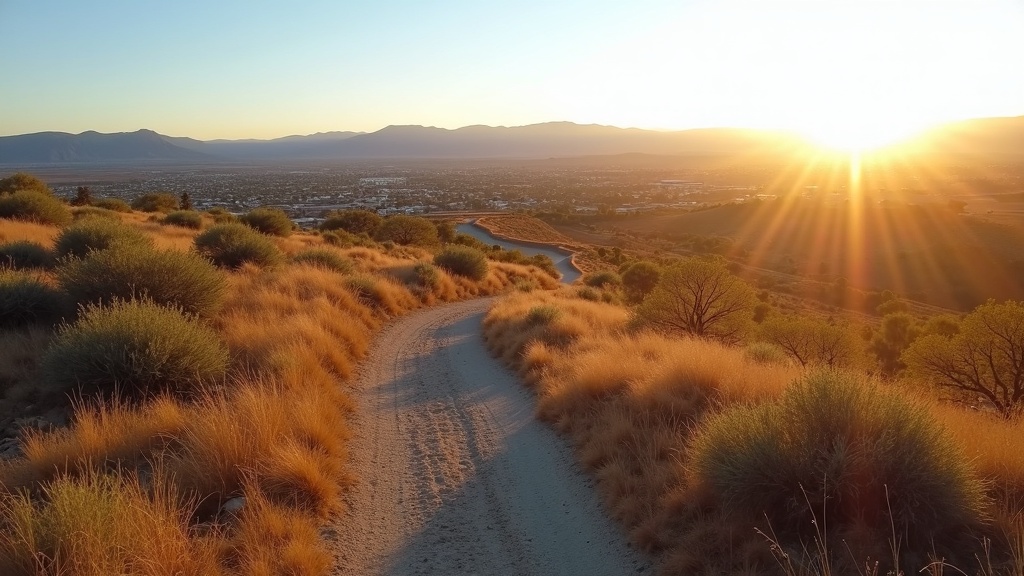
If you have been on the Boise Foothills trails lately, you have probably noticed the people in hiking boots with loaded backpacks. They are not lost. They are rucking, and the movement is taking off fast across the Treasure Valley.
Rucking is simple: strap a weighted pack to your back and walk. That is it. No gym membership, no equipment beyond the pack, no complicated programming. It started as standard military and Special Forces training, where soldiers march with 40 to 100 pounds of gear for miles on end. Fitness enthusiasts figured out that the same stimulus works for civilians, and weighted backpack sales have jumped roughly 20% year over year heading into summer 2026. Ruck clubs are forming across Boise, with groups meeting regularly on the Boise Foothills ridge trails, along the Greenbelt corridor, and out at Lucky Peak State Park.
The appeal makes sense. Rucking burns significantly more calories than regular walking (some estimates put it at 2 to 3 times more), builds posterior chain strength, and hits your cardiovascular system hard without the joint stress of running. The American College of Sports Medicine has noted that moderate to vigorous physical activity incorporating load-bearing movement delivers compounding fitness benefits, and rucking checks every box. For Boise residents, the Foothills provide thousands of acres of trail and elevation gain that turn a simple 45-minute ruck into a full cardiovascular and strength session. It is also deeply social, which explains why ruck clubs are popping up faster than any other fitness group in the valley right now.
What Rucking Actually Does to Your Body
Here is the part most new ruckers do not fully account for: rucking under load in Boise's July heat is a serious physiological demand. When you are moving with 20 to 45 pounds on your back at 95 to 100 degrees, your body is working hard to regulate temperature and keep muscles firing. Sweat rate climbs to between 1 and 1.5 liters per hour, sometimes higher if you are pushing pace or climbing elevation.
That sweat is not just water. Every liter you lose pulls out roughly 1,000 milligrams of sodium, around 200 milligrams of potassium, and approximately 60 milligrams of magnesium. Sodium is the headline electrolyte most people know about, but magnesium is the one that catches ruckers off guard. Magnesium is critical for muscle contraction and nerve signal transmission. When your magnesium levels drop during a ruck, your muscles start to rebel. Cramping shows up first, usually in the calves and hamstrings. Then fatigue hits early, your perceived effort climbs, and your pace degrades faster than it should. A 90-minute ruck in July can draw down your magnesium reserves meaningfully, especially if you started the session already depleted.
The fix most people reach for is electrolyte supplements, which help. But there is a variable that almost no rucker in the Treasure Valley thinks about: what is actually in their tap water before they ever leave the house?
The Water Quality Factor Boise Ruckers Miss
Your pre-ruck hydration matters as much as anything you drink during the effort. Most Boise ruckers are filling their water bottles from the tap before heading out, and they are getting one of three things: hard water with real dissolved minerals, softened water where those minerals have been swapped for sodium, or filtered water that has been stripped clean. The difference is not trivial.
Boise municipal water runs between 10 and 15 grains per gallon (GPG) of hardness, primarily in the form of dissolved calcium and magnesium. Meridian water is harder, typically 12 to 17 GPG. That means every liter of Treasure Valley tap water carries measurable calcium and a small but real amount of magnesium. For a rucker, that is a baseline mineral load that softened or filtered water simply does not provide. It is not a replacement for electrolyte strategy, but it is a head start that softened water denies you entirely.
Ion-exchange water softeners work by swapping calcium and magnesium ions for sodium ions during the softening process. The hardness minerals are removed, but so is any mineral benefit for athletic performance. If you ruck on softened water exclusively and do not supplement, you are starting behind from the first sip.
There is also a timely local angle worth noting. Canyon County declared a drought emergency in late July 2026, and junior Snake River water rights are being curtailed as the Snake River Plain Aquifer draws down under summer pressure. For well-water users in Canyon and Ada County, aquifer drawdown can shift mineral concentrations in your source water. If you rely on a well and have not tested your water this season, the baseline you assumed from last year may not hold. The mineral content of your tap water may have changed, and your hydration strategy should reflect current conditions, not assumptions.
If you want to see how your water stacks up for running-focused hydration too, our piece on run club hydration and Boise water quality covers a lot of the same ground for cardio athletes.
Hard Water vs Softened Water for Rucking Performance
The nuanced take on this is more interesting than a simple hard-water-wins conclusion. Hard water does carry calcium and magnesium. Those minerals contribute to electrolyte balance and muscle function in meaningful, if modest, ways. But hard Treasure Valley water also has a chalky, slightly mineral taste that many people find unpleasant. When water tastes off, people drink less of it. Under-hydrating because your water tastes bad is a real performance problem that offsets any mineral benefit.
Softened water tastes clean and smooth, which encourages adequate hydration volume. That is a legitimate advantage. The trade-off is that you lose the calcium and magnesium and get added sodium instead, which changes the electrolyte picture entirely.
Reverse osmosis filtered water is the purest option but delivers essentially zero minerals. If you are drinking RO water exclusively and rucking hard in July, your electrolyte supplementation needs to be deliberate and consistent, because the water itself is contributing nothing to your mineral intake.
None of these options is obviously wrong. The right call depends on what is actually in your water, how hard you train, and whether you are supplementing intentionally. The problem is that most ruckers in Boise and Meridian have never tested their water and are making hydration decisions based on assumptions. You can read more about how Zone 2 and aerobic training intersect with hydration quality in our article on Zone 2 training and hydration in Boise, which covers the lower-intensity side of the same equation.
Know what is in your water. Then decide.
Frequently Asked Questions
Is Boise tap water good for rucking hydration?
Boise municipal tap water runs 10 to 15 grains per gallon of hardness, which means it carries meaningful dissolved calcium and magnesium. For ruckers, that is a minor advantage over stripped RO or softened water, since those minerals contribute to electrolyte balance. The trade-off is that hard water can taste chalky, which discourages some people from drinking enough. Knowing your specific hardness level helps you plan your hydration strategy accurately.
Do I need electrolyte supplements if I have hard water?
Probably yes, even with hard water. Hard water provides calcium and some magnesium, but the sodium and potassium losses from a 90-minute ruck in July heat are far beyond what tap water replaces on its own. Think of hard water as a small head start, not a complete solution. An electrolyte supplement or sodium-rich snack before and after your ruck is still the right call.
Does rucking in Idaho heat change how much I need to drink?
Significantly. Boise summers regularly push 95 to 105 degrees Fahrenheit, and rucking under load generates heat faster than unweighted walking. Most ruckers lose between 1 and 1.5 liters of sweat per hour in those conditions. That means a 90-minute ruck could cost you 1.5 to 2.25 liters before you factor in the weight of your pack increasing your effort. Drink before you feel thirsty, and plan for more than you think you need.
Will a water softener hurt my athletic performance?
It can be a factor, though not a dramatic one in isolation. Ion-exchange softeners swap calcium and magnesium for sodium during the softening process, so softened water loses two minerals that matter for muscle function. If you are relying on tap water as part of your pre-ruck hydration and you drink softened water exclusively, you are starting each session with a lower mineral baseline than someone on hard water. The fix is straightforward: supplement electrolytes deliberately, or consider a system that softens without stripping minerals entirely.
Know What's In Your Water Before Your Next Ruck
TrueWater Idaho offers a free water quality test for Treasure Valley homeowners. Get your full mineral and hardness report before your next training day.