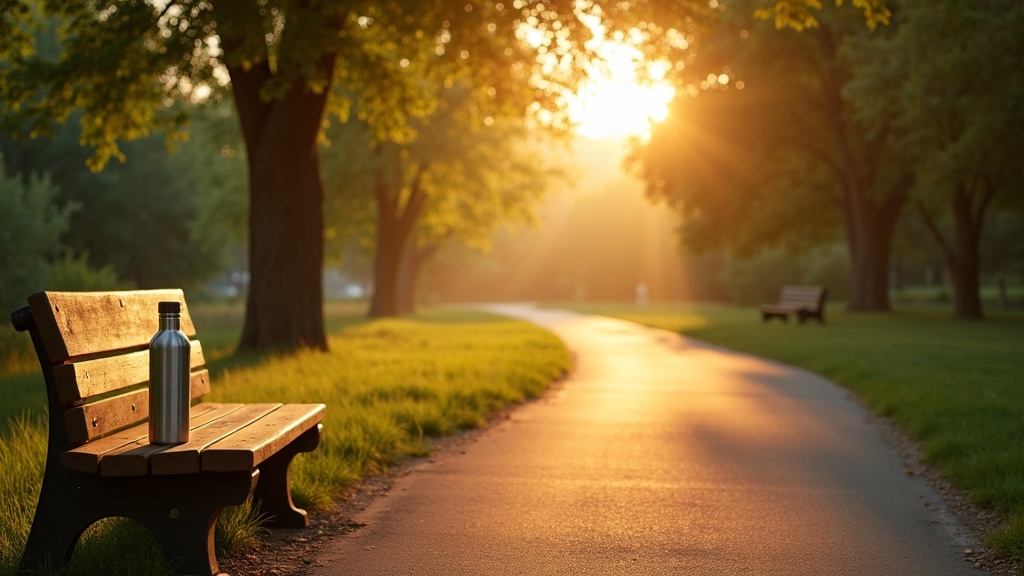
You have probably seen it in your feed this summer. Someone walking along the Greenbelt, phone in hand, picking up the pace every few minutes. That is Japanese walking, and it is not a gimmick. It is a 2007 research-backed interval protocol that fitness communities on TikTok rediscovered in early 2026, and it has exploded 2,986% in search interest since then. If you are trying it this summer in Boise, here is what you need to know, including one detail most people completely miss before they ever lace up.
What Is Japanese Walking and Why Is Everyone Doing It
Japanese walking, also called interval walking training (IWT), comes from a 2007 study out of Shinshu University in Japan. The protocol is simple: walk at a brisk, hard-effort pace for three minutes, then drop to a slow, comfortable pace for three minutes. Repeat that cycle for 30 minutes total, five times per week.
That alternation between effort levels is the whole point. Your cardiovascular system works harder during the fast intervals than it would during steady-state walking, but the recovery periods keep total intensity manageable enough that you can do it consistently. The study participants who followed the protocol for five months saw measurable improvements in aerobic capacity, blood pressure, and thigh muscle strength.
Then TikTok found it. By late 2025 the protocol had gone viral, and by July 2026, with post-Fourth of July motivation running high, it is the fitness trend. PureGym's annual report tracked that 2,986% search surge. In Boise and Meridian, you have ideal terrain for it: the Boise River Greenbelt gives you flat, shaded miles perfect for timing intervals, and Camel's Back Park gives you natural grade variation if you want to push harder.
The Science Behind the Results (And What Can Break Them)
The original Shinshu University research on interval walking training found that participants improved peak aerobic capacity by roughly 10%, reduced blood pressure, and built meaningful thigh muscle strength compared to a control group doing steady-state walking. Those are not small numbers for a 30-minute outdoor walk.
Here is what undermines those results fast: dehydration. A body water deficit of just 1 to 2% of body weight produces a measurable drop in physical performance. For a 170-pound person, that is less than three pounds of water lost. In July heat in the Treasure Valley, where afternoon temperatures regularly hit the mid-90s, you can hit that threshold in a single 30-minute walk if you are not ahead of it.
The fast intervals drive up your core temperature and sweat rate significantly more than a leisurely stroll would. Your cardiovascular system is working harder, your muscles are demanding more oxygen, and your body is cooling itself through sweat at an elevated rate. Hydration is not a nice-to-have add-on to this protocol. It is a core input, the same way timing your intervals correctly is.
Walk when it is cooler (early morning or after 7 PM in July), bring water, and most importantly, start your walk already hydrated. That last part is where most Boise walkers are quietly setting themselves back without realizing it.
Most Boise Walkers Start Their Walks Already Behind
Before you head out, you fill your water bottle from the kitchen tap. Makes sense. It is free, it is fast, and it is right there. But here is something a lot of Boise and Meridian residents notice and never quite think about: the water does not taste great.
Treasure Valley tap water is hard. Boise municipal water typically runs 10 to 15 grains per gallon (gpg). Meridian water often comes in higher, around 12 to 17 gpg, depending on the season and which wells are in rotation. That hardness comes from the Snake River Plain aquifer, which the water passes through before it reaches your home. Calcium and magnesium are dissolved into it along the way.
Those minerals are not harmful, but they create a distinct taste and mouthfeel: slightly chalky, heavier on the palate, with a mineral aftertaste that lingers. A lot of people describe it as flat or dull. When you are filling a bottle to drink during exercise, that taste matters more than you expect.
People who do not love the taste of their water drink less of it. Not dramatically less, just enough to make a difference over time: a few sips skipped here, a half-filled bottle there, a walk started without drinking anything first because the tap water was not appealing. Studies on beverage palatability and voluntary fluid intake consistently show that when water tastes better, people drink more of it without thinking about it.
If you are pulling hard intervals in July heat and starting your walk mildly dehydrated because your water did not taste worth drinking, the protocol is working against you before you ever hit your first fast interval.
For a deeper look at how water quality connects to post-activity recovery, see how Boise water quality affects post-workout recovery.
Soft Water Removes the Friction Between You and Your Water Bottle
A water softener does not purify your water or make it nutritionally superior. What it does is exchange the calcium and magnesium ions that cause hardness for sodium ions, which do not produce the same mineral taste or mouthfeel. The result is water that feels lighter, rinses clean, and has no chalky aftertaste.
That change is purely palatability. But palatability is the thing that determines whether you actually drink it.
When the water in your tap tastes clean and neutral, filling your bottle before a walk is not a small internal negotiation. You fill it, you drink it, and you start your walk at a reasonable hydration baseline. When you are already hydrated before your first interval, your body has what it needs to perform the way the research says it should: improved cardiovascular output, better heat tolerance, and muscle function that holds up through all five cycles.
The blood pressure improvements from the original Japanese walking study require consistent practice over months. Consistent practice requires consistent hydration. Consistent hydration is a lot easier when the water you have access to tastes good. That is the chain, and softening your water is where it starts.
If you are managing summer workouts and staying hydrated through Treasure Valley heat, these summer hydration tips for Boise residents are worth a read before your next walk.
How to Start Japanese Walking in Boise This Week
You do not need gear or a gym membership. Here is the setup:
- Pick a route. The Boise River Greenbelt between Ann Morrison Park and Kathryn Albertson Park is ideal for beginners: flat, shaded by mature cottonwoods, and long enough to do multiple laps if you want. Camel's Back Park gives you natural elevation changes that make the fast intervals feel genuinely hard even at a moderate walking pace.
- Time your intervals. Use a simple interval timer app on your phone, or set a 3-minute countdown alarm. The goal is three minutes at a pace that feels challenging but not all-out, followed by three minutes at a comfortable recovery pace. Keep repeating for 30 minutes.
- Go when it is cooler. In July, that means before 9 AM or after 7 PM. Midday temps in Boise and Meridian in the 90s will push your sweat rate high enough that hydration becomes genuinely critical, not just a recommendation.
- Drink before you leave the house. One full glass of water 20 to 30 minutes before your walk gives your body time to absorb it. Bring 16 to 24 ounces for a 30-minute summer walk and sip during your slow intervals.
- Check your water quality if the taste is stopping you. If you keep skipping the pre-walk glass because the tap water is unappealing, that is worth fixing. A free water test can tell you exactly how hard your water is and whether softening makes sense for your home.
The protocol works. The research is solid, the trend reflects real results people are getting, and Boise has genuinely great walking infrastructure to support it. The only variables you actually control are showing up consistently and staying hydrated while you do it.
Find Out How Hard Your Water Really Is
If Treasure Valley tap water has been giving you that chalky taste, a free water test takes five minutes and tells you exactly what you are working with. No sales pressure, no obligation, just numbers. TrueWater Idaho serves Boise, Meridian, Eagle, Nampa, and the surrounding Treasure Valley.