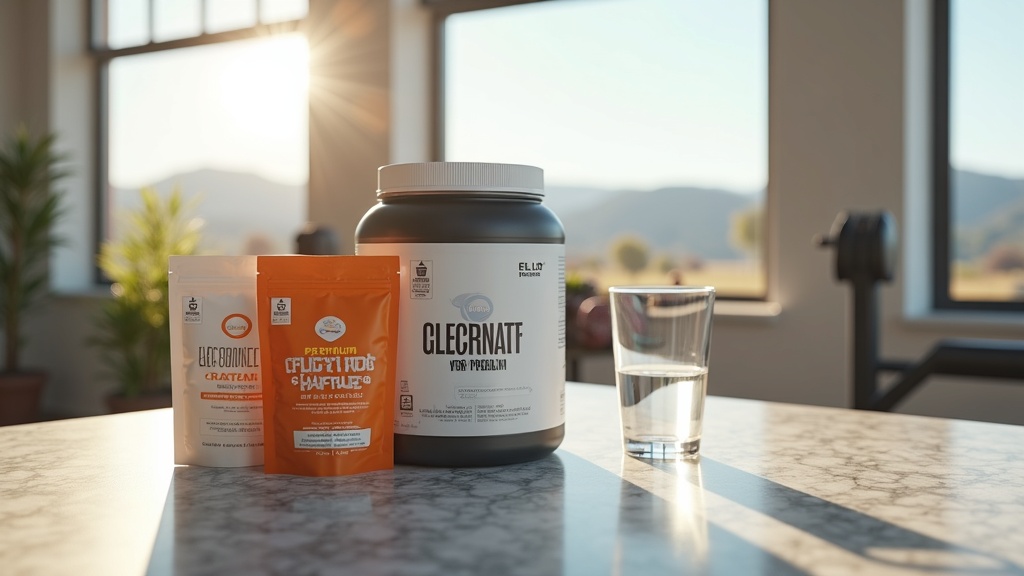
Why Serious Athletes Are Ditching Sports Drinks for Electrolyte Stacks
The Gatorade era is winding down. Walk into any serious gym in the Treasure Valley and you will see the same thing: shaker bottles with LMNT sachets, Liquid IV packets, or homemade sodium-potassium mixes. Creatine monohydrate is back in a major way. Protein timing is being tracked down to the 30-minute window. Athletes who used to grab a sports drink off the shelf are now reading electrolyte labels and calculating sodium-to-potassium ratios.
The shift makes sense. High-sugar sports drinks were always a compromise: the electrolytes were there, but so were 30 grams of simple carbohydrates most people did not need. Clean electrolyte stacks, creatine, and amino acids dissolved in plain water give athletes more control over what goes into their body. The fitness community has gotten significantly smarter about supplementation in the last five years.
Hydration protocol has become a real discipline. Athletes are pre-loading sodium before long runs, timing magnesium for overnight recovery, stacking creatine with carbohydrates to improve cellular uptake. The detail work is real, and for serious athletes, it is producing results. The question is whether the effort is being undermined by something nobody is checking.
The One Variable Nobody in Your Gym Is Measuring
Here is the thing: most athletes have optimized every variable in their recovery stack except the water they are dissolving it in. The electrolyte brand gets researched. The sodium content gets compared. The creatine gets timed to the minute. But the base water, the actual liquid carrying all of it into your body, gets zero attention.
Water hardness is measured in grains per gallon (gpg). Water under 1 gpg is considered soft. Water above 10 gpg is classified as very hard. The Boise and Meridian municipal supply typically runs between 10 and 13 gpg depending on the season and source blend. That means your tap water already contains a significant dissolved mineral load before you add anything to it.
When you dissolve an LMNT packet into hard tap water, you are not starting with a clean slate. You are adding sodium, potassium, and magnesium into water that already carries calcium and magnesium at elevated levels. The minerals interact. Absorption pathways in the gut compete. The stack you designed is working against the chemistry already present in your glass. Most athletes have no idea this is happening because nobody in their gym is talking about base water quality.
What the Research Says About Water Quality and Recovery
The connection between water mineral composition and athletic performance is not speculative. Research published in the National Library of Medicine (PMC) found that athletes using mineral-controlled water showed VO2 max values approximately 9% higher than those hydrating with uncontrolled mineral content. That is not a rounding error. In endurance sports, a 9% difference in oxygen utilization is the kind of margin that separates podium finishes from middle-of-the-pack results.
The mechanism involves how minerals compete at the cellular absorption level. Creatine transport, for example, relies on sodium and chloride co-transporters in the gut lining. When competing calcium and magnesium ions are already present in high concentrations, those co-transporters face more competition. The creatine still gets absorbed, but the efficiency of that absorption can be reduced. The same principle applies to electrolyte uptake broadly.
This does not mean hard water cancels out your supplements. It means that at the margins, where serious athletes actually operate, water quality becomes a meaningful variable. The athletes who are most likely to feel the difference are those already doing everything else right. If your sleep, training load, nutrition, and supplementation are dialed in, base water quality is the next logical place to look.
Boise's Water and What It Means for Your Training
Boise and the broader Treasure Valley draw water from a mix of surface and groundwater sources including the Boise River and the Eastern Snake Plain Aquifer. That aquifer runs through mineral-rich volcanic rock, which is why our water tests consistently hard. You can check the full breakdown in our 2026 Boise Water Quality Report, but the short version is this: most homes in Meridian, Eagle, Nampa, and Boise proper are getting water in the 10 to 13 gpg range year-round.
For most household uses, hardness at that level is mostly a nuisance. It spots your dishes, builds scale in your pipes, and shortens appliance life. For athletes who are carefully managing hydration and supplementation, it is something more specific: it is an uncontrolled variable sitting at the foundation of your entire recovery protocol.
Seasonal variation adds another layer. During high snowmelt months, the mineral composition of Boise's municipal supply can shift as the source blend changes. That means the water you are training with in March is measurably different from what you are drinking in August. If you are tracking performance across seasons and seeing unexplained variation, this is worth knowing about.
What a Controlled Water Base Does for Your Stack
A whole-home water softener works by exchanging calcium and magnesium ions for sodium ions through a resin bed. The result is water with a significantly reduced hardness level, typically dropping from that 10-13 gpg range down to near zero. Softened water is not mineral-free, but it removes the competing calcium and magnesium load that interferes with electrolyte and supplement absorption.
For athletes, the practical effect is straightforward. When you dissolve your electrolyte stack or creatine in softened water, you are working with a cleaner base. The sodium your LMNT packet is delivering does not have to compete with elevated ambient calcium and magnesium at the gut level. The absorption pathway is less crowded.
There is also the skin and muscle hydration angle. Hard water leaves a residue on skin that can affect how well topical magnesium and recovery products are absorbed post-shower. Softened water rinses cleaner, which matters if you are using any transdermal recovery products after training.
- Removes competing calcium and magnesium ions from your base water
- Creates a consistent, controlled hydration base year-round regardless of seasonal source shifts
- Reduces the mineral interference in electrolyte and creatine absorption pathways
- Improves shower water quality for post-workout skin and transdermal recovery
- Extends the life of water bottles, shaker bottles, and humidifiers used in home gyms
We are not telling you a water softener will add 20 pounds to your deadlift. What we are saying is that if you are spending $40 a month on premium electrolyte packets and carefully timing your creatine, it is worth making sure the base you are dissolving it in is not working against you. You have already optimized everything else. This is the one variable most athletes in the Treasure Valley have not looked at yet.
Frequently Asked Questions
Does hard water actually reduce how well electrolytes are absorbed?
Hard water contains elevated calcium and magnesium, which compete with other electrolytes and minerals at gut absorption sites. The impact is not dramatic enough to make electrolytes useless, but at the margins it is measurable. Research has shown differences in VO2 max and recovery metrics between athletes using mineral-controlled water versus uncontrolled sources. If you are already optimizing everything else, base water is the next variable worth addressing.
Should I just use bottled water for my workout drinks instead?
Bottled water is inconsistent. Many bottled water brands, including several popular ones, test harder than municipal tap water. Some are simply filtered tap water from the same municipal sources. If you are going to control your base water consistently, a whole-home softener gives you a stable, measurable result for every use, including cooking, showering, and drinking, without the ongoing plastic waste and cost of individual bottles.
Does softened water add too much sodium for athletes watching their intake?
The sodium added during the softening ion exchange process is minimal. At typical hardness levels found in Boise and Meridian water, softening adds roughly 20 to 40 milligrams of sodium per liter. A single LMNT packet contains 1,000 milligrams. The contribution from softened water is nutritionally insignificant, and the American Heart Association does not consider sodium from water softeners a meaningful dietary concern for healthy adults.
How hard is the water in Meridian and Eagle specifically?
Meridian and Eagle generally fall in the same range as Boise: 10 to 13 grains per gallon, which is classified as very hard. The exact number at your address depends on your water source and seasonal blending. We offer free in-home water testing across the Treasure Valley so you can get the precise hardness reading for your tap before making any decisions.
Is a water softener the only option, or are there point-of-use alternatives?
Point-of-use filters like reverse osmosis systems can reduce hardness at a single tap, which works well if your primary concern is drinking and mixing water. Whole-home softeners address hardness at every point in your house, including your shower, which matters for post-workout recovery and skin absorption. We can walk you through both options during a free water test and help you figure out which setup fits your situation and budget.
Find Out What's in Your Tap Water
We test water across Boise, Meridian, Eagle, Nampa, and the Treasure Valley at no cost. You get the exact hardness number for your home and a straight answer on whether it is affecting your water quality, your appliances, or your recovery stack.
Schedule Your Free Water TestOr call us directly: (208) 968-2771