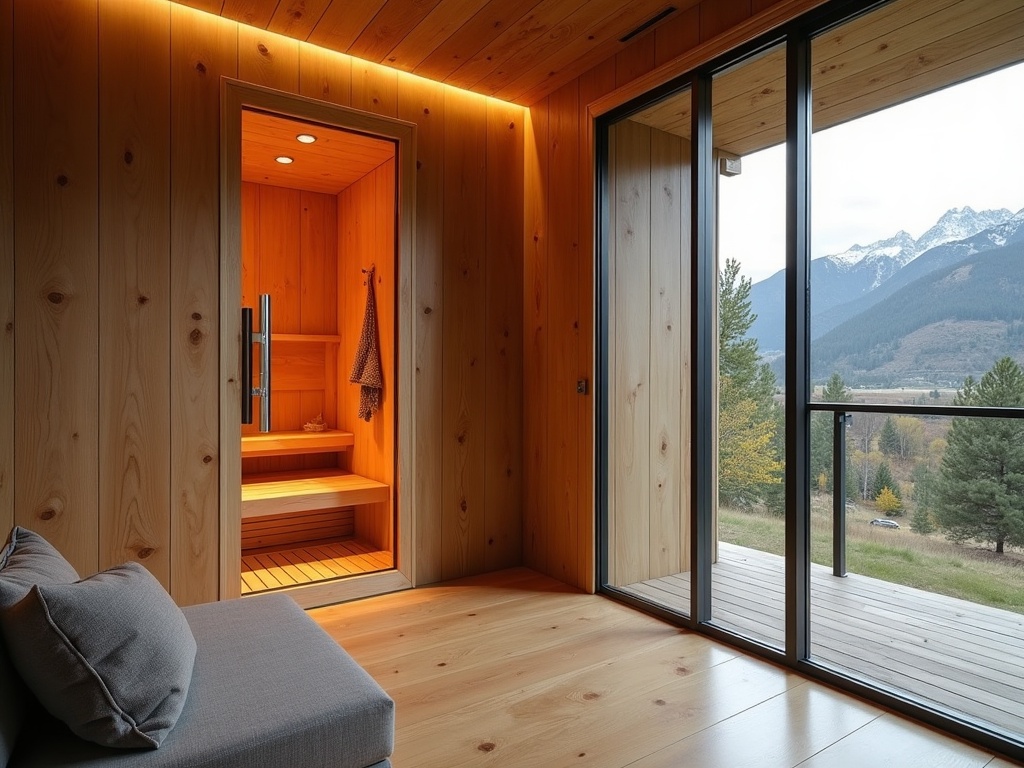
The Home Sauna Boom Has Officially Hit Boise
Walk through any new construction neighborhood in Meridian or Eagle right now and you will find them: dedicated wellness rooms, backyard sauna cabins, converted garage corners fitted with cedar panels and infrared panels. The home sauna trend that started gaining steam during the pandemic has fully matured in 2026, and the Treasure Valley is right in the middle of it.
The numbers back it up. The infrared sauna market is projected to hit $2.08 billion in 2026, growing at nearly 10% annually. Residential installations now account for nearly 60% of all new sauna purchases. Right here in Boise, commercial contrast therapy studios like Tree City Plunge and SISU Sauna have opened to meet demand, and vendors like Snake River Pool & Spa report strong interest in home sauna units across the region.
The appeal is real and the research supports it. Regular sauna sessions have been linked to improved cardiovascular circulation, faster muscle recovery, reduced cortisol levels, and better sleep quality. Infrared units in particular run at lower temperatures (120 to 150 degrees Fahrenheit) than traditional Finnish-style saunas, making them more approachable for daily use and easier to install in a residential setting. If you have been thinking about adding one to your home, you are not chasing a fad. You are tracking a legitimate wellness upgrade. But there is one part of the sauna routine that most Boise homeowners get wrong, and it starts the moment they step out of the unit.
What a Sauna Session Actually Does to Your Body
Understanding the mistake requires understanding what happens physiologically during a sauna session. The heat causes your body to sweat aggressively as a cooling mechanism. In a typical 20 to 30 minute session, most people lose between half a liter and one and a half liters of fluid. That is roughly a full water bottle to a large sports bottle, all through your skin.
Here is what most people miss: sweat is not just water. Research published in the National Institutes of Health database confirms that sweat contains significant concentrations of electrolytes, including sodium (approximately 800 to 1,200 mg per liter), potassium, magnesium, calcium, and chloride. These minerals are not optional extras. They regulate nerve signals, muscle contractions, and your body's ability to actually absorb and use the water you drink.
When you step out of a sauna and chug a bottle of plain water, you are addressing roughly half the problem. You are replacing fluid volume, but you are not replacing the electrolytes that make that fluid useful. In fact, if you drink a large amount of plain water quickly, you can dilute the electrolytes still remaining in your bloodstream, which is why some people feel foggy, cramped, or oddly tired even after rehydrating. It is not about how much you drank. It is about what you drank.
The fix is simple: coconut water, a quality electrolyte supplement, or even water with a small pinch of sea salt and some lemon juice goes a long way toward proper post-sauna recovery. But drinking is only one half of the post-sauna equation. The other half is your shower. And that is where Boise water becomes a specific problem worth understanding. For more on how summer hydration habits in Boise connect to your overall wellness routine, that article is worth a read.
The Post-Sauna Shower Problem Nobody Talks About
After a sauna session, your skin is in a uniquely vulnerable state. The sustained heat has opened your pores, softened your skin barrier, and left the surface temporarily more porous and reactive than normal. This is actually one of the benefits of sauna therapy: your skin is primed to absorb moisture and release toxins more readily. But it also means your skin is primed to absorb whatever else is in the water hitting it.
If you are showering with hard water, that vulnerability works against you.
Boise and the surrounding Treasure Valley cities sit in a region where water hardness typically ranges from 10 to 17 grains per gallon (gpg). That qualifies as hard to very hard on the standard water hardness scale. The hardness comes primarily from calcium and magnesium minerals dissolved in the groundwater and surface water feeding the region's systems.
When hard water hits your post-sauna skin, several things happen. The calcium and magnesium ions deposit on the surface of your skin, forming a thin mineral film. This film interferes with your skin's natural ability to moisturize itself. It also reacts with soap and body wash to form soap scum, which clings to skin rather than rinsing clean, clogging pores and leaving a residue that most people interpret as "dry skin." For anyone already dealing with hard water skin aging effects, the post-sauna period amplifies those effects significantly.
The result: you step out of what should be a restorative wellness routine feeling tighter, drier, and more irritated than you expected. Your skin barrier, already stressed from heat exposure, is now dealing with mineral deposits on top of that stress. This is the part nobody includes in the sauna lifestyle content online, because most of it is written for markets with softer water.
What's in Boise's Water and Why It Matters More Right Now
Treasure Valley water is drawn from two main sources: the Snake River plain aquifer and surface water from the Boise River watershed. Both sources carry dissolved minerals from the surrounding volcanic rock and soil. The result is water that is reliably effective for irrigation and municipal use, but harder than what your skin and appliances would prefer.
Canyon County's drought emergency in 2026 has added another layer to the conversation. With the second warmest winter since 1896 producing record-low snowpack, the Snake River ran 4 to 5 feet below normal heading into summer. Water managers cut allotments by up to 33%, and some farmers across the valley abandoned fields entirely. While the drought does not directly change what comes out of your tap, it has tightened the region's overall water system and placed water quality, sourcing, and stewardship higher on everyone's radar. Knowing what is actually in your home water supply is a reasonable response to a region-wide reckoning with water scarcity.
From a sauna recovery standpoint, the key concern is not contamination but mineral load. For post-workout shower effects on skin and recovery, this breakdown of post-workout water quality covers the same mineral interaction in a slightly different context and is worth reviewing alongside your sauna routine.
The practical solution most Boise homeowners with home saunas are choosing is a whole-house water softener combined with a reverse osmosis (RO) drinking system. The softener handles the shower problem: it removes calcium and magnesium from the water supply before it reaches your fixtures, so post-sauna showers work with your skin instead of against it. The RO system handles the drinking side: it produces filtered water with a cleaner mineral profile, better suited to post-sauna electrolyte replacement when paired with the right supplements. Comparing filtered water versus bottled water for daily hydration is also worth understanding if you are optimizing your recovery setup.
Building a Sauna Recovery Routine That Actually Works in Idaho
If you have a home sauna or are planning to install one, here is a recovery framework built for Treasure Valley conditions specifically:
- Before your session: Drink 8 to 16 ounces of water 30 minutes beforehand. Do not enter dehydrated.
- During your session: Keep water nearby if your session exceeds 20 minutes. Small sips are fine; avoid gulping cold water mid-session.
- Immediately after: Let your body temperature normalize for 5 to 10 minutes before showering. This prevents skin shock and lets your pores close slightly.
- Post-sauna hydration: Drink 16 to 32 ounces of water with electrolytes. Coconut water, a quality electrolyte mix, or water with a small amount of sea salt and citrus all work. Avoid sugary sports drinks, which interfere with rehydration.
- Post-sauna shower: Ideally with softened water. If you do not yet have a softener, applying a moisturizer within three minutes of getting out of the shower helps lock in whatever moisture your skin can absorb before the mineral film sets.
- Nutrition: A small protein and carbohydrate snack within 30 minutes supports muscle recovery if you combined sauna with exercise.
The water quality component is the only part of this routine that requires a one-time infrastructure decision. Everything else is habit. But if you are investing in a sauna for serious wellness benefits, ignoring the water quality variable means you are leaving a meaningful portion of those benefits on the table.
Frequently Asked Questions
Get Your Boise Water Tested Free
If you are serious about your sauna recovery and wellness routine, start with what is actually in your water. Our free water test takes 30 minutes and gives you a clear picture of what you are working with. We serve Boise, Meridian, Eagle, Nampa, and the surrounding Treasure Valley.