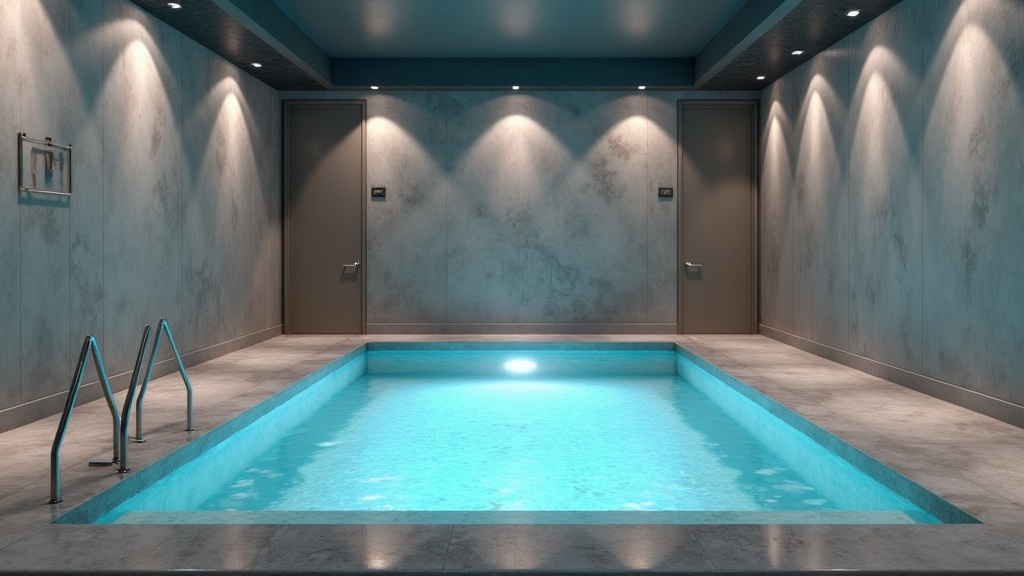
Picture this: you spend $15,000 on a commercial cold plunge, install it over a weekend, and watch your members fall in love with it. Recovery times improve. Retention improves. People are posting it on Instagram. Three months later, the jets are sluggish, the water looks hazy, and a service tech is standing in your facility quoting you $400 for a descaling job nobody warned you about.
That scenario plays out repeatedly at gyms across the Treasure Valley. And it is not because the equipment is cheap or the installation was bad. Most of the time, it is because nobody asked a simple question before the plunge went in the ground: what is actually in your water?
The Recovery Stack Is the New Gym Must-Have
A few years ago, a cold plunge was a niche amenity. Today it is a differentiator that members specifically seek out when shopping gyms. The combination of cold plunge, infrared sauna, and red light therapy, sometimes called contrast therapy or the recovery stack, has moved from high-end spas into mainstream fitness facilities at a pace nobody fully anticipated.
The numbers back this up. Nordic-inspired wellness grew 62.5% globally between 2024 and 2025. The cold plunge market alone was valued at $354.6 million and is projected to reach $1.92 billion by 2035. Among younger gym members, 26% specifically say they look for facilities with heat and cold recovery experiences when choosing where to train.
In Boise specifically, the demand makes sense. This is a community built around outdoor activity. Trail runners, mountain bikers, skiers, cyclists, and recreational athletes are not a small slice of the population here. They know about recovery. They read about cold exposure. They have heard about the parasympathetic reset, the cortisol flush, the sleep benefits. When a gym offers it, they show up for it.
The equipment investment reflects that demand. A commercial-grade cold plunge runs $8,000 to $25,000 installed. A commercial steam generator adds another $3,000 to $15,000. These are serious capital commitments, and gym owners expect them to perform for years. Most of the time, they get a very different timeline.
The Maintenance Reality Nobody Talks About
Equipment downtime is one of the most common complaints among boutique gym operators, and recovery room equipment sits at the top of that list. Contractors who service commercial gym equipment charge $120 to $180 per hour, and the calls tend to come at the worst possible times.
The symptoms are familiar if you own one of these setups. Cloudy water that does not clear up no matter how much you adjust the chemistry. A white, chalky residue building up on jet fittings and along the waterline. Filters that need replacing more often than the manufacturer said they would. A steam generator that starts losing output pressure well before it should. Pumps that work harder and run warmer than expected.
The frustrating part for many gym owners is that they did everything right. They read the manual. They tested the water chemistry. They kept the pH in range and the sanitizer levels where they were supposed to be. The equipment still degraded faster than projected.
That gap between "followed all instructions" and "still having problems" points to something upstream. Something the manufacturer guidelines assume you will handle but rarely spell out clearly.
The Answer Is Coming Out of Your Tap
Hard water is water that carries dissolved calcium and magnesium, picked up as it moves through rock and soil on the way to your tap. It is not a contamination issue and it does not affect safety. But inside the closed-loop systems of a cold plunge or steam room, those minerals behave in a very specific and damaging way.
In a cold plunge, the water cycles continuously through jets, filters, and a chiller system. Every pass through those components deposits a thin layer of calcium carbonate on the surfaces it touches. The layer is almost invisible at first. Over weeks and months, it builds into hard scale that narrows jet openings, coats filter media, and insulates the heat transfer surfaces inside the chiller. The unit works harder and harder to do the same job.
Steam generators face the same problem on a faster timeline. According to equipment specialists at Steamericas, scale buildup inside commercial steam generators typically begins within three to four months in hard water environments. The element that heats water to steam is particularly vulnerable. Scale acts as insulation around it, forcing it to run hotter to compensate, which shortens its lifespan significantly.
Here is the part that stings most: scale damage is not covered under warranty. Manufacturers classify it as preventable maintenance failure. If your steam generator element burns out at month 18 because scale built up around it, that is your repair bill, not theirs.
Hard water affects more than just recovery equipment. If you want to understand the broader impact on performance and long-term costs, this breakdown on hard water appliance damage in Idaho homes walks through the math across multiple systems.
Boise's Water Is Specifically the Problem
Water hardness is measured in grains per gallon, or GPG. The Water Quality Association classifies anything above 7 GPG as hard water. Boise's municipal supply runs between 8 and 15 GPG depending on your location and which wells are active in your zone. Nampa and Meridian frequently test at the top of that range, 10 to 15 or more GPG.
About 70% of Boise's water supply comes from groundwater wells spread across the valley. That groundwater travels through basalt rock formations before it reaches your tap, picking up calcium and magnesium along the way. It is a geological fact of life in this region, not a treatment failure.
Gyms in Portland deal with water at 1 to 3 GPG. Seattle runs similarly soft. Those operators are working a completely different problem set. Their equipment longevity numbers, their chiller service schedules, none of that translates to what you are dealing with in the Treasure Valley. Manufacturer maintenance schedules are not written for Meridian.
For a closer look at how water quality affects athletic performance and recovery specifically, this piece on elite athletes and water quality in Boise is worth reading.
What Smart Boise Gym Owners Are Doing
The fix is straightforward. A commercial water softener on the incoming line that feeds your recovery equipment removes calcium and magnesium before they enter the system. Soft water does not form scale. Jets stay clear. Filters last longer. Chiller efficiency holds steady.
The practical benefits add up quickly: fewer service calls, longer equipment lifespan, cleaner water that members notice, and a sanitation program that works more effectively at lower chemical doses.
TrueWater serves commercial accounts across the Treasure Valley, including gyms, fitness facilities, and businesses that run recovery equipment in Boise, Meridian, Nampa, and Eagle. We handle the assessment, the sizing, the installation, and the follow-up testing.
If you are building out a recovery room or upgrading existing equipment, the first conversation to have is a water test. It tells you exactly what you are working with before you commit to a setup that your water supply will quietly degrade over the next 18 months.
Free Water Test for Commercial Facilities
Know What You're Working With Before It Costs You
If you run a gym, spa, or any commercial facility with recovery equipment in the Treasure Valley, get a free water test first. We will tell you your exact hardness level and what protection your system needs.