Canyon County farmers are cutting their losses this summer. The drought emergency declared in April has stretched into July, with water allotments slashed and some fields left unplanted. But the same Snake River Plain aquifer that feeds those irrigation channels also supplies water to more than 260,000 Idaho homes. And when aquifer levels drop, minerals concentrate. The water coming out of your Boise or Meridian faucet right now is likely harder than it was two years ago.
At the same time, nearly 900 new homes have been approved in northwest Meridian. That wave of new construction means a wave of homeowners facing the same question: which water softener brand actually makes sense for Treasure Valley conditions?
We field this question every week at TrueWater. The honest answer is that it depends on your hardness level, your household size, and how long you plan to stay. What follows is our straightforward take on the brands available in Idaho, what they do well, and where each one falls short for local water.
Why Treasure Valley Hardness Changes Your Brand Decision
Not all hard water is the same. In the Treasure Valley, hardness ranges from around 10-15 grains per gallon (GPG) in Boise to 12-17 GPG in Meridian, with some rural Canyon County wells pushing 20 GPG or higher. The USGS classifies anything above 7 GPG as hard water. We are running at double to triple that baseline across most of the region.
That matters for brand selection because not every system is built for high-hardness environments. A unit sized for 6-8 GPG (which covers most of the country) will regenerate far too frequently in Meridian conditions, burning through salt and wearing out faster than advertised. You need a system rated for your actual hardness, not a national average.
The 2026 drought makes this more urgent. Lower aquifer levels mean the water being pumped carries a higher mineral load per gallon than in prior years. If you tested your water two years ago and have not tested since, the numbers have likely shifted. A free water test is the right starting point before you commit to any brand or system size.
Kinetico: Built for High-Hardness Zones
Kinetico is the most commonly installed premium brand in the Treasure Valley. The system runs on water pressure alone, with no electricity required. That non-electric design means it regenerates on demand rather than on a timer, which is more efficient and ensures you always have soft water even when one tank is in its regeneration cycle.
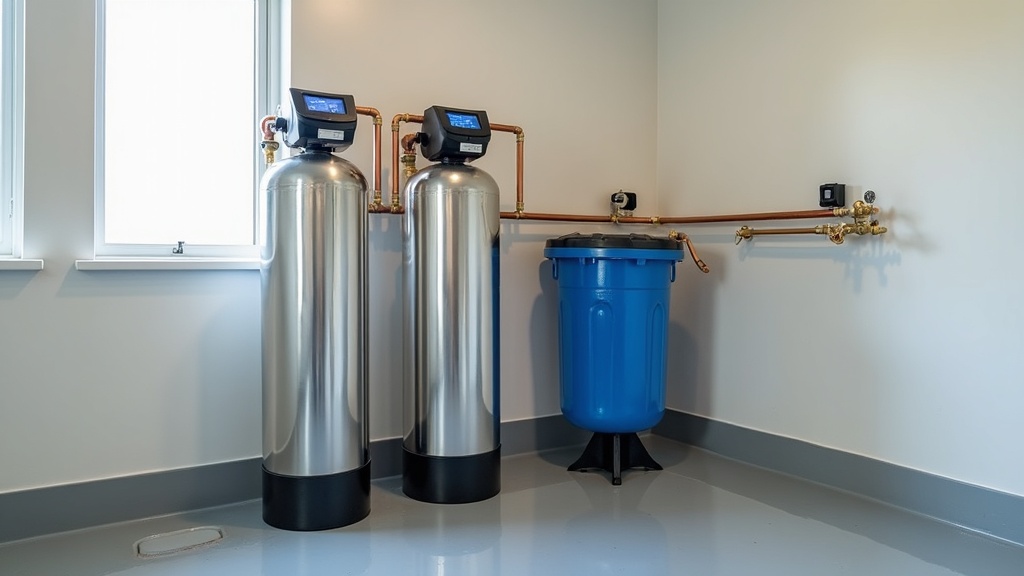
For Meridian homes running at 12-17 GPG, the twin-tank setup is a genuine advantage. One tank regenerates while the other stays in service, so there is no window where hard water passes through your pipes. Systems typically last 20 to 30 years with basic maintenance, which makes the higher upfront cost more defensible over time.
The main limitations are price and service. Kinetico systems typically run $3,500 to $5,500 installed, and dealer service quality varies by location. If your local dealer is responsive, it is a strong long-term investment. If they are hard to reach for maintenance calls, that warranty does not mean much in practice.
Best for: Homes with hardness above 12 GPG, larger families, and buyers who want a reliable system for two to three decades without worrying about power outages affecting performance.
Culligan: The Franchise Service Network
Culligan operates through a franchise model, which means the Boise and Meridian offices have local accountability backed by a national support system. Their High Efficiency series handles 10-17 GPG adequately, and newer models include Wi-Fi connectivity for remote monitoring.
Where Culligan stands out is flexibility. You can rent rather than buy, which reduces the upfront cost to zero. That rental model is worth understanding clearly though: at $35-50 per month, you are looking at $4,200 to $6,000 over 10 years for a system that would cost $2,500 to $4,000 to purchase outright from a local installer. Renting makes sense if you expect to move within three to five years. For long-term homeowners, buying almost always wins on cost.
Their purchased systems are competitive, and service response is generally reliable. Having a national company behind the warranty does provide peace of mind for buyers who are nervous about smaller local installers.
Best for: Homeowners who value service predictability, those considering a move in the next few years, or buyers who want flexible payment structures without a large upfront commitment.
Local Idaho Installers: The Value Case
Most water softeners installed by local Treasure Valley companies use components from Pentair, Fleck, or Hague. These are the same workhorse brands that water treatment professionals across the country trust, just without the national advertising overhead. AquaTech of Idaho, based in Garden City, has been installing Pentair systems across the valley for decades. Treasure Valley Water Solutions carries Hague's Maximizer series, which performs well across the 10-17 GPG range.
The pricing difference is real. A comparable system from a local installer typically runs $2,000 to $3,500 installed, compared to $3,500 to $5,500 for Kinetico or the cumulative cost of a Culligan rental. The equipment is durable, warranties are solid (AquaTech offers a 15-year tank warranty), and local installers know Treasure Valley aquifer chemistry specifically rather than working from national averages.
The tradeoff with smaller companies is long-term service dependency. Before committing, ask about service turnaround times and who you call if the system fails on a weekend. A local installer who answers the phone is worth more than a national brand with a slow-moving regional office.
Best for: Budget-conscious homeowners, buyers doing their homework, and anyone who wants the best cost-per-year value over a 10 to 15 year horizon. See our full water softener buying guide for Boise homeowners for a complete breakdown of system types and installed pricing.
How to Match the Right Brand to Your Home
Here is the decision framework we walk through with every customer before recommending a system:
- Test your water first. Actual GPG data from your specific home beats generalizations about your neighborhood. Boise city water varies from 10 to 15 GPG depending on the source blend for your area. Rural Canyon County wells can run significantly higher, especially during drought conditions.
- Calculate your household daily usage. A family of four typically uses 75 to 100 gallons per day. Multiply your daily gallons by your hardness number to get an estimate of the grain capacity you need. Above 12 GPG, plan for 48,000 to 60,000 grain capacity minimum. Undersized systems regenerate constantly, waste salt, and wear out early.
- Decide on purchase vs. rental before you shop. If you are staying 7 or more years, buy. The math does not favor renting unless mobility is genuinely part of your near-term plan.
- Ask about local service response. Get references from any installer. How quickly do they respond to service calls? Who do you contact if the system malfunctions after hours?
- Factor in the 2026 drought. If you are on a private well in Canyon County, your baseline hardness may have shifted upward since your last test. Size for current conditions, not what you measured two years ago.
For context on how drought conditions are affecting water quality across the Treasure Valley this season, see our Treasure Valley water quality guide.
A Note on Salt-Free Water Conditioners
You will see salt-free conditioners marketed as an alternative to traditional softeners. At 10-17 GPG hardness, they are not an effective replacement. Conditioners can reduce scale buildup on surfaces, but they do not remove the calcium and magnesium ions that cause dry skin, stiff laundry, appliance damage, and premature water heater failure. For Treasure Valley conditions, a true ion-exchange softener with salt is the only technology that reliably handles the hardness levels we see here. The EPA's water treatment guidance supports ion-exchange as the proven standard for residential hardness reduction.
Frequently Asked Questions
What is the best water softener brand for Idaho's hard water?
For Treasure Valley's 10-17 GPG hardness, Kinetico is the top choice for high-hardness zones due to its twin-tank design and 20 to 30 year lifespan. Culligan is strong for homeowners who want flexible rental options and a franchise service network. Local installers using Pentair or Fleck components often offer the best value when you compare cost per year across the full service life of the system.
Is Kinetico or Culligan better for the Treasure Valley?
Kinetico wins for high-hardness areas (12 GPG and above) because its non-electric twin-tank design handles continuous demand without interruption. Culligan is a stronger fit for moderate city water (8-12 GPG) and homeowners who prefer a rental or service contract arrangement. For budget-conscious buyers, local Treasure Valley installers offer comparable equipment quality at 40 to 50 percent lower cost than national chain pricing.
How does the 2026 drought affect which water softener I should buy?
During drought conditions, aquifer drawdown concentrates minerals in both well water and municipal supplies. Idaho homes are experiencing harder water in summer 2026 than in previous years. Systems with higher grain capacity (48,000 to 60,000 grain) and efficient salt usage matter more right now, especially for homes on private wells in Canyon County where the drought emergency has hit hardest and water allotments have been cut.
Should I buy or rent a water softener in Idaho?
Buying makes more financial sense if you plan to stay 7 or more years. A purchased system from a local Idaho installer typically costs $2,500 to $4,500 installed and pays for itself within 5 to 7 years in savings on cleaning products, extended appliance life, and lower water heating costs. Renting from a national brand at $35 to $50 per month adds up to $4,200 to $6,000 over 10 years for equipment that builds no equity for you.
What water softener brands are available in Boise and Meridian?
The major brands available in the Treasure Valley include Kinetico (through local dealers), Culligan of Idaho (franchise office serving Boise and the surrounding area), and systems built on Pentair or Fleck components installed by local companies. EcoWater and Morton systems are available through select retailers. For most Treasure Valley homeowners, the decision comes down to Kinetico, Culligan, or a local installer using proven components at a lower price point.
Not Sure Which Brand Fits Your Water?
A free water test gives you the actual GPG reading for your home. That one number makes the brand decision straightforward. No pressure, no sales pitch.