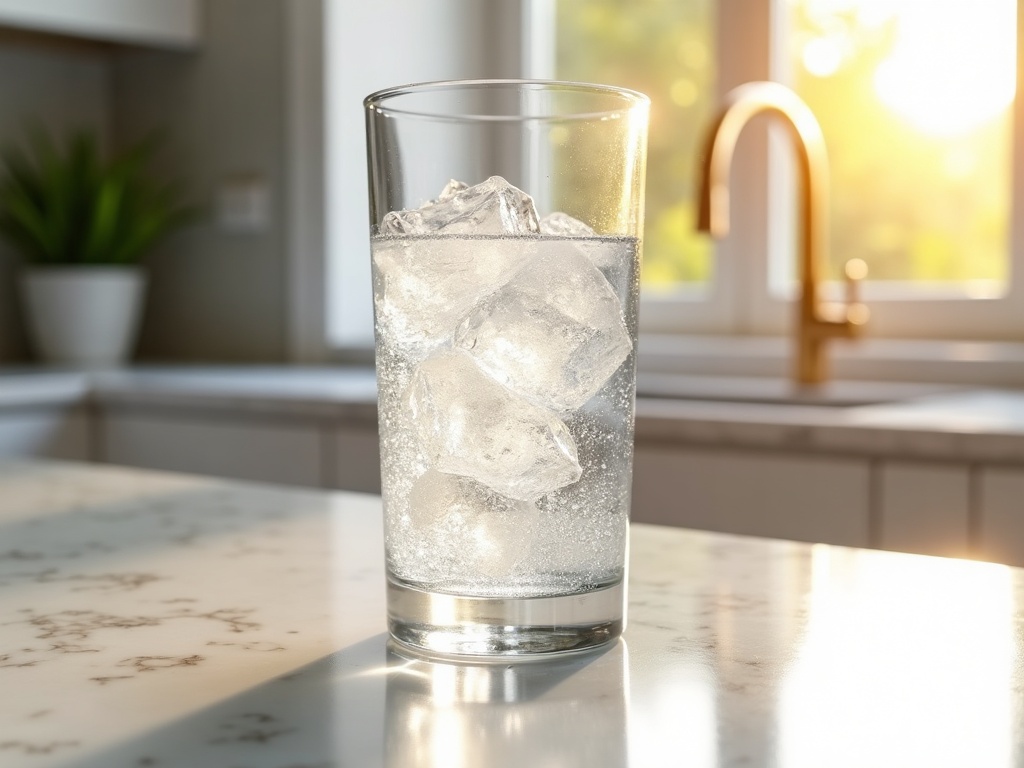
About one in five American adults has now used a GLP-1 medication. In the Treasure Valley, that number is rising. If you are on Ozempic, Wegovy, or Mounjaro, here is something almost no one tells you when you start: your water quality matters more than it did before.
GLP-1 drugs fundamentally change your relationship with thirst. That makes the quality and palatability of what you are drinking far more critical to your success than most patients realize.
Why GLP-1 Medications Suppress Your Thirst
GLP-1 receptor agonists work by binding to receptors in the hypothalamus, the region of your brain that controls both hunger and thirst. When the medication reduces appetite signals, it tends to blunt thirst signals through the same mechanism. Clinicians call this hypodipsia, a reduction in thirst perception.
The result: you can be significantly dehydrated without feeling thirsty. The FDA has flagged this, issuing guidance that severe dehydration in GLP-1 users can increase the risk of acute kidney injury. Most clinical guidelines now recommend 80 to 100 ounces of fluid per day for adults on these medications, substantially more than the general 64-ounce recommendation, because GLP-1 users get less water from food as their meal portions shrink.
Drinking by the clock rather than by thirst becomes a non-optional strategy. And that is where your tap water comes into the picture.
Boise's Summer Heat Raises the Stakes
Boise hits 100 degrees Fahrenheit or higher on dozens of days every July. The Treasure Valley sits in a high desert basin where heat accumulates quickly and humidity offers little relief. With Boise having adopted a Drought Emergency Ordinance this summer, water is already on everyone's mind.
For GLP-1 users, summer heat creates a compounding problem. You lose more fluid through sweat. Your medication has already blunted the thirst signal that would normally tell you to drink more. And if your tap water tastes like minerals or has a chlorine bite, you are going to drink less of it, even when you know you need more.
Heat illness risk is genuinely elevated for GLP-1 users this summer. The combination of suppressed thirst, reduced food intake, and Boise heat can lead to dehydration faster than most people expect.
What Boise Tap Water Tastes Like on GLP-1
Boise and Meridian tap water typically measures between 10 and 17 grains per gallon (GPG) of hardness, placing it in the very hard range. This mineral content gives the water a distinct taste that many people notice as slightly heavy, chalky, or flat. At room temperature it can have a mineral aftertaste. With added chlorine from municipal treatment, there is often a chemical edge as well.
Under normal circumstances, many Boise residents simply adapt to this taste and drink enough. On GLP-1 therapy, the dynamic shifts. Nausea is one of the most common GLP-1 side effects, particularly in the early weeks of dose titration. Unpleasant-tasting water can trigger or amplify nausea, creating a feedback loop where you drink less, become more dehydrated, feel worse, and drink less still.
Research shared in clinical hydration guides consistently shows that people drink significantly more water when it tastes clean and neutral. For GLP-1 users who need to hit 80 to 100 ounces per day without relying on thirst cues, the taste of their water is not a minor preference. It is a compliance factor.
What Cleaner Water Actually Does for GLP-1 Users
Soft, filtered water removes the calcium carbonate and magnesium sulfate deposits that create Boise's mineral taste. It also reduces chlorine and chloramine levels that municipal systems use for disinfection. What remains is water that tastes neutral: clean, light, and easy to drink in volume.
One thing worth clarifying: the calcium and magnesium in Boise tap water are not the sodium and potassium electrolytes your body needs on GLP-1 therapy. Drinking hard water does not meaningfully address your electrolyte needs. That has to come from a deliberate strategy, not from dissolved rock.
Many GLP-1 users in Boise report a noticeable improvement in daily water intake once they switch to a softened or filtered source. That single change can make a meaningful difference. See our guide to summer hydration in Boise for more strategies.
A Practical Hydration Plan for GLP-1 Users in Boise
Because thirst is not reliable, structure replaces it. Set a reminder every 90 minutes and drink 8 to 12 ounces whether or not you want it. Start your morning with 16 to 20 ounces before your first dose. On hot Boise days, add a low-sugar electrolyte packet to maintain sodium and potassium balance.
Watch for dehydration signs that do not include thirst: dark urine, headache, fatigue, or dizziness. These appear before you feel thirsty on GLP-1 therapy. Make your water something you actually want to drink. For context on what your tap water contains, see our Boise Water Quality Report 2026.
Find Out What's in Your Water
A free water test takes 30 minutes and tells you exactly what your Boise or Meridian tap water contains. No pressure, no sales pitch. Just the data you need to make an informed choice about your hydration.
Frequently Asked Questions
Can Ozempic or Wegovy cause dehydration?
Yes. GLP-1 medications like Ozempic and Wegovy bind to hypothalamic receptors that regulate both hunger and thirst. The same mechanism that reduces appetite also blunts thirst signals, a condition clinicians call hypodipsia. You can be significantly dehydrated without feeling thirsty. The FDA has issued warnings about kidney injury risk from dehydration in GLP-1 users.
How much water should I drink while on GLP-1 medications?
Most clinical guidelines recommend 80 to 100 ounces of fluid per day for adults on GLP-1 medications, substantially more than the general 64-ounce recommendation. This higher target accounts for reduced thirst signaling and the reduced water you get from food as your portions shrink. Drink by the clock rather than waiting to feel thirsty.
Does Boise's hard water make GLP-1 side effects worse?
It can, indirectly. Boise and Meridian tap water measures 10 to 17 grains per gallon of hardness, which gives it a mineral and sometimes metallic taste. GLP-1 medications frequently cause nausea, and unpleasant-tasting water can trigger or worsen that nausea, making it harder to hit your daily fluid goals. Many GLP-1 users report drinking significantly more when their water tastes clean and neutral.
Can hard water interfere with my GLP-1 medication's effectiveness?
Hard water does not reduce the effectiveness of GLP-1 medications directly. However, the dehydration that results from not drinking enough, which hard water can indirectly contribute to by making water taste unappealing, can worsen GLP-1 side effects and increase kidney injury risk. Staying well hydrated with clean-tasting water supports better outcomes on these medications.
Is a water softener worth it if I'm on Ozempic or Wegovy in Boise?
If you are struggling to hit your daily fluid goals and find Boise tap water's mineral taste off-putting, a whole-house water softener or under-sink reverse osmosis system can make a real difference. Removing the hardness and chlorine taste makes water easier to drink in the volumes GLP-1 therapy requires. TrueWater Idaho offers a free water test to show you exactly what is in your tap water, with no obligation.