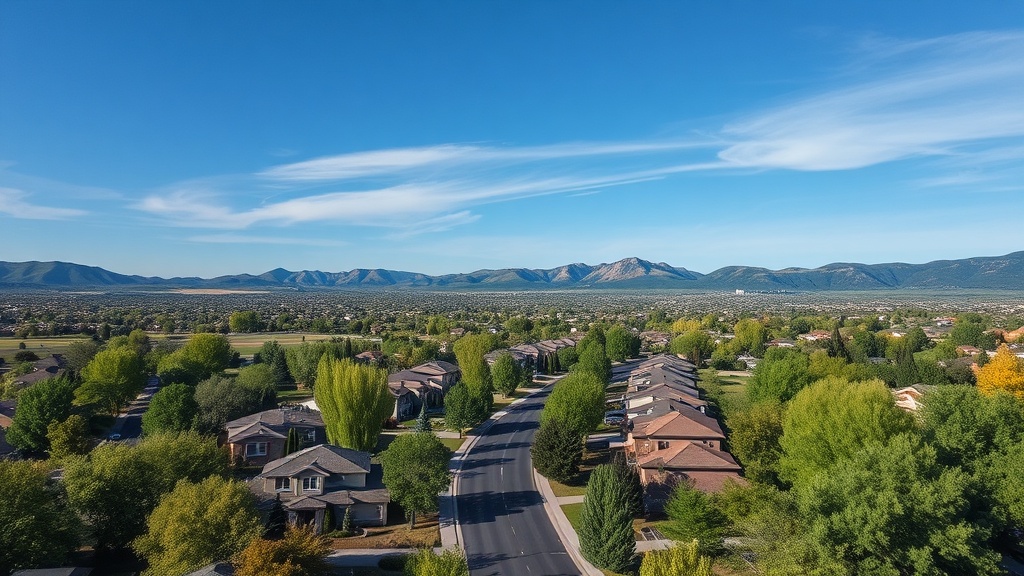
Moving to Boise from Oregon, Washington, or California? Read This About the Water First
If you are relocating to Boise or Meridian from Portland, Seattle, or the Bay Area, there is one adjustment most newcomers do not anticipate: the water feels completely different. Not in a dangerous way. In a way that affects your skin, your hair, your fixtures, and your appliances from the first week you move in.
The Pacific Northwest delivers some of the softest municipal water in the United States. Idaho draws from a very different source. Understanding the gap between what you were used to and what comes out of your new Treasure Valley tap will help you make smart decisions early, before hard water has had months to work on your plumbing and appliances.
The Water Hardness Gap Is Significant
Water hardness is measured in grains per gallon (GPG). The higher the number, the more dissolved calcium and magnesium the water carries. Here is how your likely previous city compares to your new home.
City
Hardness (GPG)
Classification
Portland, OR
0.4 GPG
Soft
Seattle, WA
1–2 GPG
Soft
Spokane, WA
4–6 GPG
Moderate
Sacramento, CA
7–9 GPG
Hard
San Jose, CA
10–15 GPG
Hard
Boise, ID
6.6–10 GPG
Hard
Meridian, ID
8.4 GPG (avg)
Hard
Rural Ada/Canyon County wells
15–25+ GPG
Very Hard
If you came from Portland, the water coming out of your Meridian tap has more than 20 times the dissolved mineral content you were used to. Even if you moved from Sacramento, the jump is meaningful enough that most people notice physical symptoms within two to four weeks.
Why Idaho Water Is So Much Harder Than the Pacific Northwest
The Pacific Northwest gets its municipal water primarily from snowmelt and rainfall collected in high-elevation reservoirs. That water has had very little contact with mineral-rich rock and soil. By the time it reaches your tap in Portland or Seattle, it is naturally almost mineral-free.
Boise and the Treasure Valley draw water from a volcanic aquifer system fed by the Snake River Plain. Water moving through basaltic volcanic rock dissolves calcium and magnesium as it percolates down and through. The longer groundwater sits in contact with that geology, the harder it gets. There is no surface reservoir to dilute it. The hardness is built into the source.
Rural areas in Ada and Canyon County that rely on private wells often see even higher hardness levels, sometimes 15 to 25 GPG or more, depending on well depth and location.
What Transplants Notice First
The most common thing people moving from Portland or Seattle notice within the first few weeks is a change in how their skin and hair feel after a shower. Skin that felt normal before starts feeling tight, dry, or slightly itchy. Hair that was manageable can start feeling coarser or harder to rinse clean. This is not imagined. Calcium and magnesium in the water react with soap and shampoo differently than soft water does, leaving a thin film that does not rinse off easily.
The second thing most newcomers notice is white buildup on fixtures. A showerhead or faucet that was clean on moving day will start showing chalky white or yellowish mineral deposits within a few weeks. Chrome fixtures are particularly visible. If you moved into a home where the previous owners did not have a softener, you may find thick buildup already present on showerheads, around faucet bases, and inside the dishwasher.
The third common observation is spotted dishes and glasses from the dishwasher, which most transplants from soft water areas have never dealt with before. The same minerals that cause skin dryness are left behind on surfaces when water evaporates during the drying cycle.
The Sulfur or Egg Smell in Some Areas
Some neighborhoods in the Treasure Valley, particularly those on well water or in certain zones of the Boise aquifer, occasionally notice a faint sulfur or egg-like odor from the hot water tap. This is caused by dissolved hydrogen sulfide gas in the groundwater, which is more common in Idaho's volcanic aquifer geology than in Pacific Northwest surface water sources.
The smell is typically more noticeable from the hot water side because heat releases the gas. Cold water from the same source may not smell at all. This is a separate issue from hardness, and it is treatable with a whole-house filtration system or an aeration filter. If you notice it in your new home, mention it during your water consultation so the right test is run.
What to Do When You Move In
The smartest move is to get your water tested before purchasing any treatment equipment. Water chemistry varies across the Treasure Valley by neighborhood, zone, and whether you are on city water or a private well. A test gives you actual numbers for hardness, pH, iron, and other parameters so any recommendation is based on your specific water rather than a general guess.
If you are in Meridian or Boise on city water, you are almost certainly dealing with 7 to 10 GPG of hardness. At that level, a whole-house water softener is the most effective solution for the symptoms most transplants experience. If you are on a private well, the water chemistry can vary significantly and a test is even more important before choosing equipment.
Do not wait months before addressing it. Hard water starts affecting your water heater, appliances, and fixtures from the first day. The longer scale is allowed to build up inside a new water heater, the more difficult it becomes to reverse that accumulation.
How Quickly Things Change After a Softener Is Installed
Most homeowners notice a difference within the first shower after a softener is active. The water feels noticeably different on skin and hair. Soap and shampoo lather differently. Many people describe a slightly slippery feel that is unfamiliar at first. That sensation is simply what it feels like when soap rinses clean instead of leaving a residue.
Spots on dishes and glasses disappear within the first one or two dishwasher cycles. Existing mineral buildup on fixtures can be removed with a diluted white vinegar solution, after which softened water prevents new deposits from forming. The water heater, once protected by softened water, stops accumulating new scale and can recover some efficiency over time.
For transplants from Portland or Seattle, softened Boise water will actually feel closer to what you had before, though not identical. You will not miss the white spots, the dry skin, or the chalky residue on everything in your kitchen.
Just Moved to the Treasure Valley?
Get Your Water Tested Before You Buy Anything
We test your specific water, show you the results, and give you a clear recommendation. No pressure, no commitment. Just straight information about your new home's water.
Yes. Boise and Meridian city water meets all EPA and Idaho DEQ drinking water standards. Hardness is not a safety issue. Calcium and magnesium at typical Idaho levels are not harmful to drink. In fact, they contribute a small amount of those minerals to your diet. The problems hard water causes are practical ones: appliance damage, scale buildup, skin and hair effects, and spotted dishes. It is not a health concern at normal Treasure Valley levels.
For most Boise and Meridian city water customers, a softener addresses the main practical problems. A whole-house filter adds protection against sediment, chlorine taste, and occasional turbidity, but it does not address hardness. Many households do both: a whole-house softener for hardness and appliance protection, plus a point-of-use reverse osmosis system under the kitchen sink for drinking and cooking water. Whether you need filtration in addition to softening depends on what your specific water test shows.
Portland's water at 0.4 GPG is among the softest city water in the country. Soap and shampoo rinse completely clean in soft water. In Meridian's 8.4 GPG water, calcium and magnesium react with soap to form a curd-like residue that stays on skin rather than rinsing away. This residue interferes with the skin's natural moisture barrier and is experienced as tightness, dryness, or irritation. It is not a climate difference. Softening your water will bring back the shower experience you were used to.
Private well water in rural parts of the Treasure Valley can be significantly harder than city water, often 15 to 25 GPG or more depending on depth and location. Well water can also contain elevated iron, manganese, or hydrogen sulfide that city water does not. If you are buying or renting a home on well water, a full water test before choosing any treatment equipment is essential. The treatment approach for a 20 GPG well with iron is different from the approach for 9 GPG city water.
Parts of Southern California, particularly the Inland Empire, run 15 to 25 GPG and are among the hardest in the US. Boise at 6.6 to 10 GPG is actually softer than many SoCal areas. If you came from LA or San Diego city water at 8 to 12 GPG, the Boise experience will feel roughly similar. If you moved from Sacramento at 7 to 9 GPG, the difference is minor. The biggest culture shock comes from Oregon and Washington transplants who have never experienced hard water before.
A standard whole-house softener installation in a Treasure Valley home typically takes two to four hours. We install at the main water line entering the house, usually near the water heater in the garage or utility area. Once installed and programmed, the system runs automatically. You add salt to the brine tank every two to three months. That is essentially all the ongoing maintenance required.
Welcome to the Treasure Valley
Start Your New Home Off Right
We test your water, explain exactly what you are dealing with, and give you honest options. Locally owned, no pressure, no commitment required.