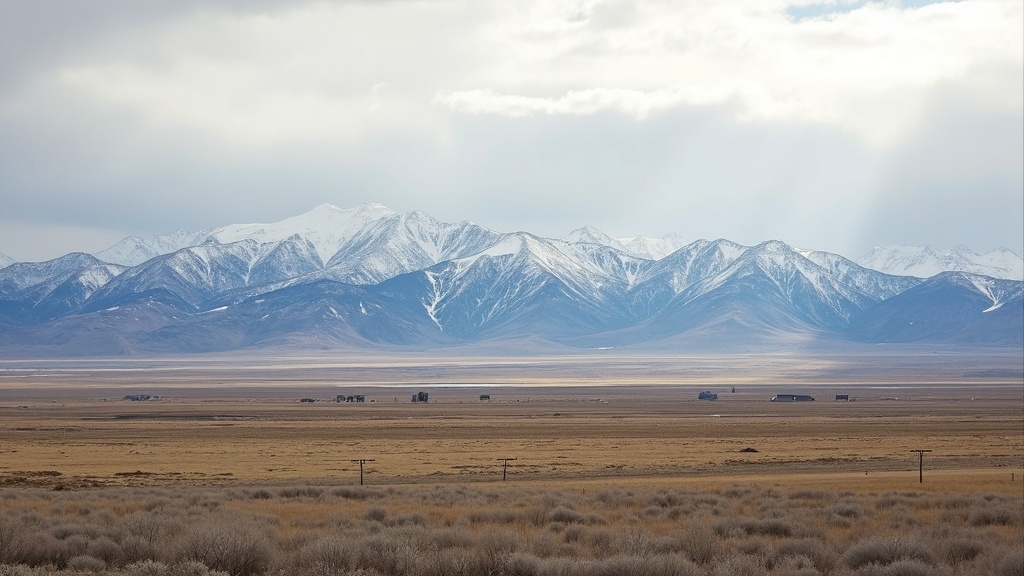
By now you have probably heard that Idaho had a rough winter. But the headlines focused on wildfire risk and irrigation shortages. What most of those stories skipped over is the quieter effect happening at your kitchen faucet every day: when snowpack collapses, your tap water gets harder.
We are seeing it in our water tests across Boise, Meridian, Eagle, and Nampa. Here is what is going on and what you can do about it.
Idaho's 2026 Snowpack: The Numbers Are Historic
This was not a routine low-snow year. According to the USDA Natural Resources Conservation Service, by April 1, 2026, Idaho's snowpack was the lowest ever recorded since SNOTEL monitoring began in 1935. The Boise Basin alone fell to roughly one-third of its normal snow water equivalent.
Boise's measured snowfall at the airport was just 0.1 inches for the entire season, beating out the previous record low set back in 1932. Governor Brad Little declared a statewide drought emergency for all 44 Idaho counties, citing record-low snowpack, historic warmth, and mounting water supply deficits heading into the irrigation season.
The City of Boise activated Stage 2 water conservation in April, roughly two months earlier than the normal June trigger, because Boise River flows dropped below 1,200 cfs ahead of schedule. That early activation is a signal worth paying attention to: it tells us the surface water supply that normally supplements our groundwater was not there this year.
How Snowpack Affects Water Hardness in the Treasure Valley
Most Treasure Valley residents get their tap water from a blend of sources: some from the Boise River and other surface water, the rest from deep wells drawing on the Eastern Snake River Plain Aquifer. The balance between those two sources shifts with the seasons and, in drought years, it shifts significantly toward groundwater.
Here is why that matters for hardness. Surface water, which includes snowmelt running down through the Boise foothills, tends to be softer. It picks up fewer minerals because it has not had time to sit in contact with rock. Groundwater is the opposite: it spends months or years moving through Idaho's volcanic basalt geology, dissolving calcium and magnesium along the way. Those dissolved minerals are exactly what makes water hard.
When snowpack is abundant, utilities can blend more surface water into the distribution system, which pulls hardness numbers down. When snowpack is at a 90-year record low, that dilution effect largely disappears. The aquifer carries the full load, and the hardness follows.
The Idaho Department of Water Resources tracks this relationship between surface water availability and groundwater reliance, and the 2026 data is clear: groundwater dependency is higher than it has been in decades.
What Boise and Meridian Water Hardness Looks Like Right Now
In normal years, Boise tap water tests between 10 and 13 grains per gallon (gpg), which already puts it in the "very hard" range by USGS standards. Anything above 10.5 gpg qualifies as very hard, and most Boise neighborhoods have been sitting right at or above that threshold for years.
Meridian's water runs slightly differently by neighborhood. Readings typically range from 8 to 15 gpg, with newer developments on the southern fringe of the city, drawing more heavily from deep wells, tending toward the higher end of that range. The 2026 Boise water quality report we published earlier this year covers the city-by-city breakdown in detail.
In drought conditions like 2026, we are seeing baseline hardness creep up, particularly in zones that depend heavily on well sources. The practical result is more white buildup on faucets and showerheads, more scale inside water heaters and dishwashers, drier skin and hair, and spots on dishes even when you run the full dry cycle.
If you have noticed any of those symptoms getting worse this year, the 2026 snowpack shortage is likely part of the explanation.
The Aquifer Connection: Why Less Snow Means More Minerals
Idaho sits on top of one of the most significant aquifer systems in the western United States. The Eastern Snake River Plain Aquifer stretches across much of southern Idaho, and the Treasure Valley draws from it continuously. That aquifer is recharged primarily by snowmelt percolating down through soil and rock over years and decades.
When we have a low-snowpack year, two things happen at once. First, less fresh recharge enters the aquifer, so the water that is being pumped has been sitting in contact with rock longer than average. Second, demand on the aquifer increases because surface water sources like the Boise River carry less flow. Both effects push hardness in the same direction: up.
Boise added approximately 18,000 new water customers between 2020 and 2026, which means more total groundwater demand at exactly the time supply pressure is highest. That combination is not a crisis, but it does mean the water chemistry your neighbors are measuring today looks somewhat different from what your parents might have tested in a wet year twenty years ago.
What Hard Water Actually Does to a Treasure Valley Home
We talk about hardness in grains per gallon, but homeowners usually experience it in dollar terms. Scale buildup inside a water heater reduces efficiency progressively: at 10 gpg hardness, a tank heater can lose 12 to 15 percent of its efficiency within a few years of operation. A dishwasher running on 13 gpg water without any softening or rinse aid will start showing spray arm clogging and etched glassware within 12 to 18 months.
The skin and hair effects are less financial but more immediate. Calcium and magnesium ions compete with soap and shampoo, preventing them from lathering properly and leaving a residue that sits on the skin barrier. If your hands feel dry again minutes after washing, that is hard water, not your lotion.
For context on the drought's broader impact on home water quality, our Idaho drought 2026 home water quality guide covers additional contaminant and mineral concerns that come with increased groundwater reliance.
Does the 2026 Drought Affect Anything Besides Hardness?
Hardness is the most consistent effect, but it is worth mentioning a few others. Increased groundwater reliance can also elevate total dissolved solids (TDS) slightly, which affects taste. Some homeowners notice a faint mineral or earthy flavor this year that they did not register in wetter years. This is not a safety concern, just a sensory one.
Well water owners in Canyon County and rural areas around Nampa and Caldwell face a different set of considerations, including nitrates and arsenic levels that can shift with water table depth. If you are on a private well and have not tested this year, 2026 is a year to prioritize that. City water customers on treated municipal supplies do not face the same risk, but the hardness and TDS shifts are real and measurable.
What You Can Do About It
The good news is that hard water is one of the most straightforward water problems to solve. A properly sized water softener removes the calcium and magnesium through a process called ion exchange, replacing them with a small amount of sodium. The result is water that does not build scale, lathers easily, and is noticeably gentler on hair and skin.
In a drought year like 2026, when baseline hardness is higher than normal, a softener pays for itself faster than in wetter years. Appliance protection alone, particularly water heater and dishwasher lifespan, is where most Treasure Valley homeowners see the clearest return.
A few practical steps for right now:
- Get a current hardness reading. Free test strips from a hardware store give a rough number. A professional test gives you hardness, pH, TDS, and iron all at once, which matters for sizing a softener correctly.
- Check your water heater for scale. If it is more than five years old and has never been flushed, this summer is a good time. Scale-coated heating elements work harder and cost more to run.
- Watch for early softener regeneration issues. If you already have a softener and notice spots returning, your system may be set for a wetter-year baseline and need a hardness recalibration.
Get Your Free Water Test
Find out exactly what's in your Treasure Valley water. No pressure, no sales pitch.