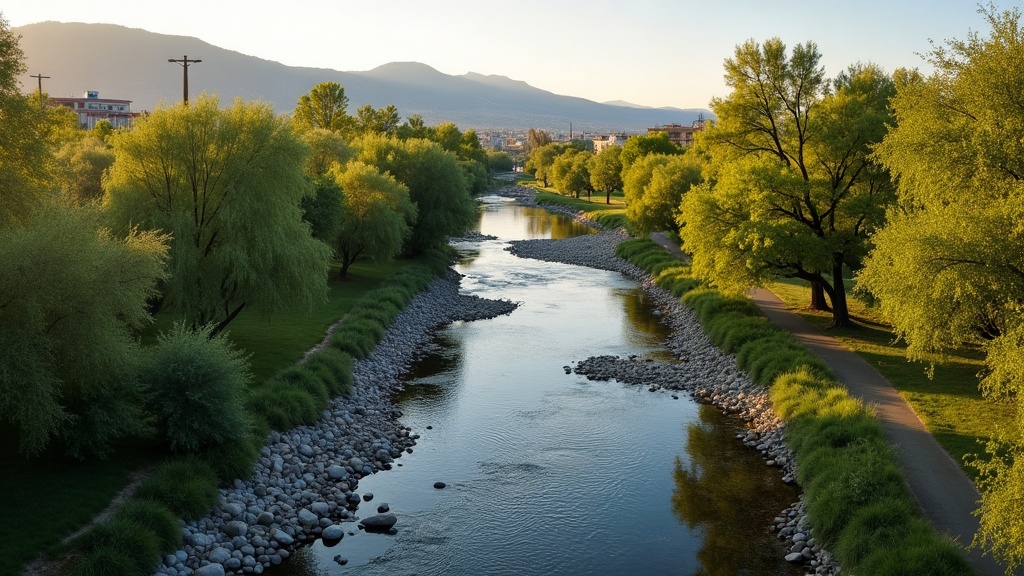
The 2026 Idaho drought is not just a story about low reservoirs and brown lawns. For Treasure Valley homeowners in Boise, Meridian, Eagle, Nampa, and Caldwell, it is a story that plays out at every faucet in the house. When water levels drop, the chemistry of what comes out of your tap changes, and most residents have no idea it is happening.
We want to walk you through exactly what is happening to Idaho tap water quality in 2026, what the drought means for your home, and what you can do about it before problems show up in your appliances, skin, and health.
What the 2026 Idaho Drought Actually Looks Like
On April 13, 2026, Governor Brad Little signed a statewide drought emergency declaration covering all 44 Idaho counties. The Idaho Department of Water Resources cited the second-warmest winter since 1896, record-low snowpack as of April 1, and a "surface water supply index" that showed a 50-50 chance of irrigation shortages on both the Boise River and Snake River for the remainder of the year.
By April, Boise River flows had already dropped below 1,200 cubic feet per second. That is the threshold that triggers Stage 2 conservation for the City of Boise, which serves approximately 230,000 residents. Stage 2 normally kicks in around June. This year it happened in April, two months ahead of schedule. Meridian, Eagle, and Kuna moved to Stage 1 around the same time.
As of June 2026, approximately 85% of Idaho is under active drought conditions. The breakdown: 31% moderate drought, 24% severe drought, 23.6% extreme drought, and 6.9% exceptional drought. The U.S. Drought Monitor confirms this is one of the worst water years on record for the state.
Why Low Water Means Different Tap Water
Here is the chemistry most people do not think about. Treasure Valley water comes from two primary sources: surface water (the Boise River, fed by snowmelt from the mountains) and groundwater (the Eastern Snake Plain Aquifer and local shallow aquifers). Both are affected by drought in ways that directly change your tap water quality.
Mineral Concentration Increases
Water flowing through limestone and volcanic rock dissolves calcium and magnesium as it moves. In normal water years, higher water volumes dilute these minerals. During drought, the same mineral load dissolves into less water, concentrating it. The result: your water gets harder.
Treasure Valley water is already naturally hard. Boise typically runs 10 to 15 grains per gallon (gpg). Meridian is one of the harder cities in the region, typically measuring 12 to 17 gpg. During a drought year like 2026, those numbers trend toward the upper end of the range and sometimes beyond it. To put that in context, any water above 7 gpg is classified as hard by the U.S. EPA. Meridian runs at more than twice that threshold in a normal year.
Disinfection Byproduct Levels Rise
Water utilities use chlorine and chloramine to disinfect drinking water. When water is lower and warmer (both conditions in a drought summer), those disinfectants react more aggressively with organic matter in the water, producing disinfection byproducts (DBPs) including trihalomethanes (TTHMs) and haloacetic acids.
Recent independent testing in Meridian has already flagged chloroform, chromium (hexavalent), and multiple trihalomethanes above Environmental Working Group health guidelines, even before summer heat peaks. These are not violations of EPA standards, but they are worth knowing about, especially in households with young children or people with compromised immune systems.
Nitrate Pressure From Agricultural Runoff
When soils dry out and then receive irrigation water, nitrates stored in the ground can flush into shallow groundwater more rapidly. Idaho DEQ conducted new nitrate priority area sampling near Star, Idaho in autumn 2025 specifically because of drought-related concerns. Canyon County well owners and residents of Star and Kuna on private wells should pay particular attention to nitrate levels this year.
Nationally, about 5% of groundwater monitoring sites in Idaho already exceed the EPA nitrate limit of 10 mg/L. Drought concentrates the problem further.
What You Will Notice at Home
The scientific numbers matter, but most Treasure Valley homeowners first notice the drought's water quality effects through very practical signs around the house.
- More white scale on faucets and showerheads. That chalky buildup happens faster when water hardness is elevated. If you are cleaning it off more often than last year, your water hardness is likely running higher.
- Spotty dishes out of the dishwasher. Hard water leaves calcium deposits on glassware and dishes. The harder the water, the worse the spotting.
- Dry skin and hair after showering. Hard water interferes with soap lathering and leaves a mineral film on skin and hair. During drought periods, this becomes more pronounced.
- Appliance wear. Water heaters, dishwashers, washing machines, and ice makers all suffer accelerated wear from hard water scale. A water heater running on 15+ gpg water loses efficiency fast and can fail years ahead of schedule.
- Taste or smell changes. Some residents notice a slightly more chlorinated taste during summer drought periods as utilities adjust disinfection levels to account for warmer, lower-flow source water.
City Water vs. Well Water: Different Risks
City Water in Boise and Meridian
If you are on city water, your utility is required to test and treat the water before it reaches you. The City of Boise and Meridian Water both meet all EPA Safe Drinking Water Act requirements. However, meeting federal minimums and delivering the cleanest possible water are two different things. Drought years push water quality parameters closer to regulatory limits and increase the presence of byproducts that the city is not required to remove beyond federal thresholds.
For most households on city water, a quality whole-house water softener addresses the hardness issue, and a reverse osmosis system at the kitchen tap handles any remaining drinking water concerns.
Well Water in Canyon County and Rural Areas
Private well owners get no testing from the city. You are on your own. During 2026 drought conditions, we strongly recommend testing your well water for: total hardness, nitrates, arsenic, total dissolved solids (TDS), iron, and bacteria. Canyon County, Star, Kuna, and the areas south of Nampa have a mix of shallow and deep wells with varying geology. Arsenic and uranium occur naturally in some Treasure Valley soils and can concentrate in wells during low-water years.
TrueWater Idaho offers free well water testing. It costs you nothing and takes about 30 minutes on-site. Call us at (208) 968-2771 to schedule.
What Solutions Actually Make Sense in 2026
We are a water treatment company, so we want to be straight with you about what is worth doing and what is not.
Water Softener
If your water is running 12+ gpg (which is most of Meridian and the harder Boise neighborhoods), a water softener is the single highest-impact investment you can make for your home. It protects appliances, dramatically reduces scale, improves skin and hair feel, and reduces soap usage. A professionally installed system in the Treasure Valley typically runs $2,500 to $4,500. The savings in appliance protection and soap costs often pay it back within 2 to 4 years.
During drought years, the payback timeline gets shorter because the hardness is elevated and the wear on unprotected appliances accelerates.
Reverse Osmosis for Drinking Water
A reverse osmosis (RO) system under the kitchen sink removes nitrates, arsenic, lead, chromium, trihalomethanes, and essentially everything else from your drinking and cooking water. A whole-house setup is not necessary for most homes; an under-sink RO unit handles the water you actually consume. These typically cost $500 to $1,200 installed.
Whole-House Carbon Filtration
If your primary concern is the taste and smell of chlorine or chloramine, a whole-house carbon filter can help. These are often paired with a water softener. They do not address hardness, but they do reduce the concentration of disinfectant byproducts coming into your home.
What You Do Not Need to Panic About
Boise and Meridian city water is not dangerous. The drought does not mean your water is suddenly unsafe to drink in any acute sense. What it means is that some parameters are trending in a direction that affects home comfort, appliance life, and long-term exposure levels. Acting now is smart, not urgent.
The Idaho DEQ and USGS Data to Watch
If you want to stay informed about your specific water source, two agencies publish real-time data worth bookmarking:
- The USGS Idaho Water Data portal shows current stream flows including the Boise River at various gauge stations. When flows are below 1,000 cfs, source water is under significant stress.
- The Idaho DEQ drinking water contaminant database lets you look up your specific water system and see the most recent test results.
The City of Boise and Meridian Water also publish annual Consumer Confidence Reports. Look for the most recent one published after April 2026 to see how drought conditions are affecting the reported numbers.
What TrueWater Idaho Is Seeing on the Ground
Since April 2026, we have seen an increase in calls from Meridian and Eagle homeowners noticing more scale, more spotty dishes, and more skin dryness than in prior years. The pattern lines up exactly with what we would expect in a drought year. Water that is running harder than normal stresses everything it touches.
We have also received calls from Canyon County well owners who noticed changes in taste and smell this spring. A number of those wells came back with elevated TDS and hardness readings compared to prior tests. None were at dangerous levels, but several warranted treatment. Getting a baseline test now, before summer heat peaks, gives you useful data to compare against in future years.
If you have not had your water tested in the last 12 months, 2026 is the year to do it. Call us at (208) 968-2771 or schedule online at truewateridaho.com. The test is free, there is no pressure, and you will know exactly what is in your water.
Find Out What's in Your Water
We offer free water testing with no pressure and no commitment. Call us or schedule online today.