The 30-day gut reset has become the wellness protocol of 2026. From TikTok to health podcasts to functional medicine practices, people are rebuilding their microbiomes with probiotic stacks, elimination diets, fermented foods, and fiber tracking. The research backs the interest: your gut microbiome influences immune function, mood, energy, inflammation, and how effectively your body absorbs nutrients.
But a consistent pattern has emerged. People invest serious money into their protocol, follow it carefully for two or three weeks, and still hit a wall. The probiotics don't seem to be doing much. Bloating persists. Energy stays flat. Functional medicine practitioners who work with these patients have started asking a question that sounds almost too simple: what water are you drinking during the reset?
For most people in Boise and Meridian, the answer is municipal tap water. And that may be where the protocol quietly breaks down.
What's Really in Boise and Meridian Tap Water
Boise and Meridian deliver treated municipal water to hundreds of thousands of Treasure Valley households. The treatment system works well for its primary purpose: keeping pathogens out of the distribution network. To do that, both cities use chlorine and chloramines as disinfectants throughout the supply chain.
This is standard, required by law, and genuinely protective. But the chemistry doesn't stop working when the water reaches your glass. When you pour from a Boise tap, you're drinking water with residual chlorine along with a mineral profile that runs high by national standards. Most Treasure Valley homes sit in the hard to very hard range: Boise averages 10 to 15 grains per gallon, Meridian often runs 12 to 17 gpg. Those numbers are not dangerous, but they matter more for gut health than most people realize.
How Chlorine and Hard Water Minerals Affect Your Microbiome
Chlorine is an indiscriminate antimicrobial. It does not distinguish between the pathogens it is designed to eliminate and the Lactobacillus and Bifidobacterium strains you are paying for in probiotic capsule form. Research has found that regular consumption of chlorinated tap water is associated with measurable differences in gut microbiota composition compared to filtered water consumers. The mechanism is direct: chlorine reaches the gut in low but consistent concentrations, and the gut's microbial environment is sensitive enough to respond to chemical inputs over time.
The mineral story is equally relevant. A 2024 peer-reviewed study found a direct correlation between water hardness and fecal microbiota diversity. Hard water, particularly water high in sodium (which can be introduced by salt-based softeners that lack downstream filtration), was associated with lower microbiota diversity overall. The specific balance of calcium, magnesium, and sodium in your drinking water appears to influence which bacterial species thrive and which don't.
None of this means Boise tap water is unsafe. It means that if you're running a 30-day gut reset and tracking every other variable carefully, your water quality is worth including in the picture.
Boise's 2026 Drought Makes This Worse Right Now
Here's the local angle most gut reset guides won't mention. Summer 2026 is not a neutral season for Treasure Valley tap water quality. The City of Boise adopted a Drought Emergency Ordinance this summer as Idaho faces near-record dry conditions. The Boise River is running well below normal levels for this time of year, and water allotments across the valley have been cut significantly.
When demand spikes and supply tightens, municipal treatment systems work harder. Higher demand across a larger distribution network requires more treatment cycles and, in many cases, elevated chlorine concentrations to maintain disinfection standards at the far ends of the system. For anyone drinking two or more liters daily during a gut protocol, summer in Boise is the highest-risk season for this variable to matter.
What to Do: Getting Your Water Gut-Ready in the Treasure Valley
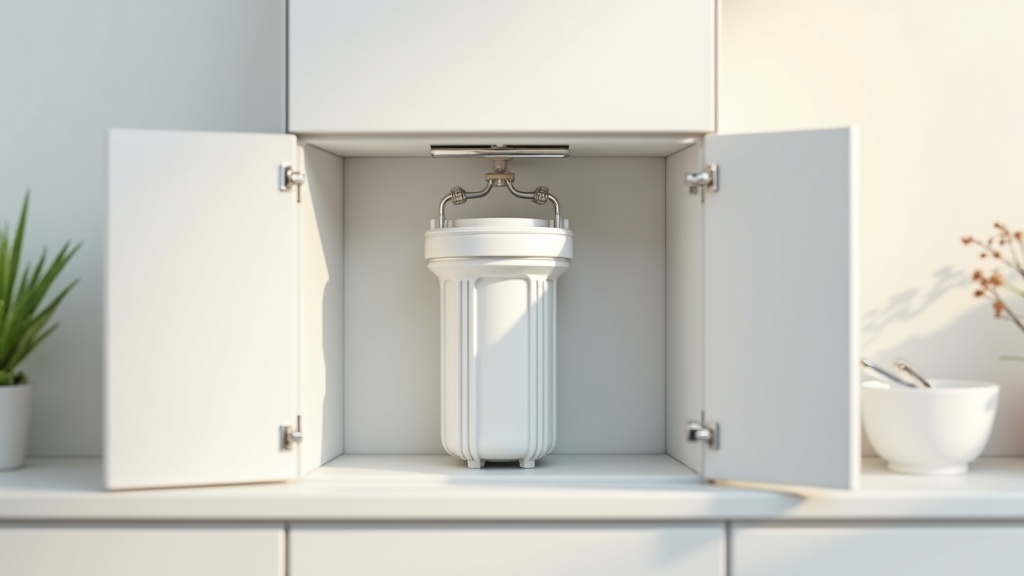
The fix is practical and one-time. A reverse osmosis system installed under your kitchen sink removes chlorine, chloramines, and dissolved minerals. RO-filtered water eliminates the chlorine variable entirely and gives you a neutral baseline that doesn't compete with your probiotic protocol. Many gut health practitioners recommending electrolyte supplements already assume their patients drink filtered water, not raw municipal tap.
If you already have a whole-house water softener, check whether your drinking water has a point-of-use carbon post-filter. Salt-based softeners handle hardness but do not remove chlorine, and they introduce sodium. A dedicated RO filter at the kitchen sink addresses both concerns in a single step.
For those tracking skin outcomes alongside their gut reset, our article on eczema and hard water in Idaho covers how the same mineral and chlorine load affects your skin barrier. And if you're taking collagen supplements as part of your recovery protocol, how hard water interacts with collagen absorption is worth a read as well.
TrueWater Idaho offers free water testing for Treasure Valley homeowners. A free water test gives you real data on chlorine levels, hardness, and mineral content specific to your home before you start a 30-day protocol.
Frequently Asked Questions
Does drinking tap water affect gut health?
Research suggests that regular consumption of chlorinated tap water is associated with differences in gut microbiota composition compared to filtered water. The chlorine and chloramines used to disinfect municipal water reach the gut in low but consistent concentrations and may influence the balance of microbial species present. Hard water mineral content has also been linked to microbiome diversity differences in peer-reviewed studies.
Does chlorine in tap water kill probiotics?
Chlorine is an indiscriminate antimicrobial, meaning it does not distinguish between harmful pathogens and beneficial bacteria. Studies have found that chlorinated water can reduce the viability of probiotic strains. For those taking probiotics or following a gut reset protocol, switching to filtered water removes this variable entirely.
Is hard water bad for your gut microbiome?
A 2024 peer-reviewed study found a correlation between water hardness and fecal microbiota diversity. Hard water high in sodium was associated with lower microbiota diversity. Boise and Meridian tap water runs hard to very hard at 10 to 17 grains per gallon, which means residents are consistently exposing their gut microbiome to a high-mineral water profile that may influence bacterial species balance over time.
What is the best water to drink during a gut reset?
Filtered water from a reverse osmosis system is the most consistent choice during a gut reset. RO removes chlorine, chloramines, and dissolved minerals, giving you a neutral baseline that does not work against your probiotic protocol. Adding a quality trace mineral supplement can restore beneficial minerals if needed.
How hard is Boise tap water?
Boise tap water averages 10 to 15 grains per gallon (gpg), which falls in the hard to very hard range. Meridian runs slightly harder at 12 to 17 gpg. Anything above 7 gpg is considered hard water by industry standards. Most Treasure Valley homes exceed that threshold by a significant margin, which affects everything from skin health to appliance longevity to gut microbiome environment.
Know What's In Your Water Before You Reset
A free water test takes 30 minutes and gives you real data on chlorine levels, hardness, and mineral content specific to your Treasure Valley home. No pressure, no sales pitch, just information.